
Fashion Brand x Lifestyle Influencer Case Study
Discover the complete blueprint for successful fashion brand and lifestyle influencer collaborations with real performance data, proven selection strategies, and ROI calculations from actual campaigns. This in-depth case study reveals how leading fashion brands build profitable partnerships, from initial influencer selection through crisis management and long-term ambassador programs. Learn the exact frameworks, metrics, and coordination strategies that transform influencer marketing from experimental spend into your highest-performing customer acquisition channel with measurable returns exceeding 300 percent efficiency gains.
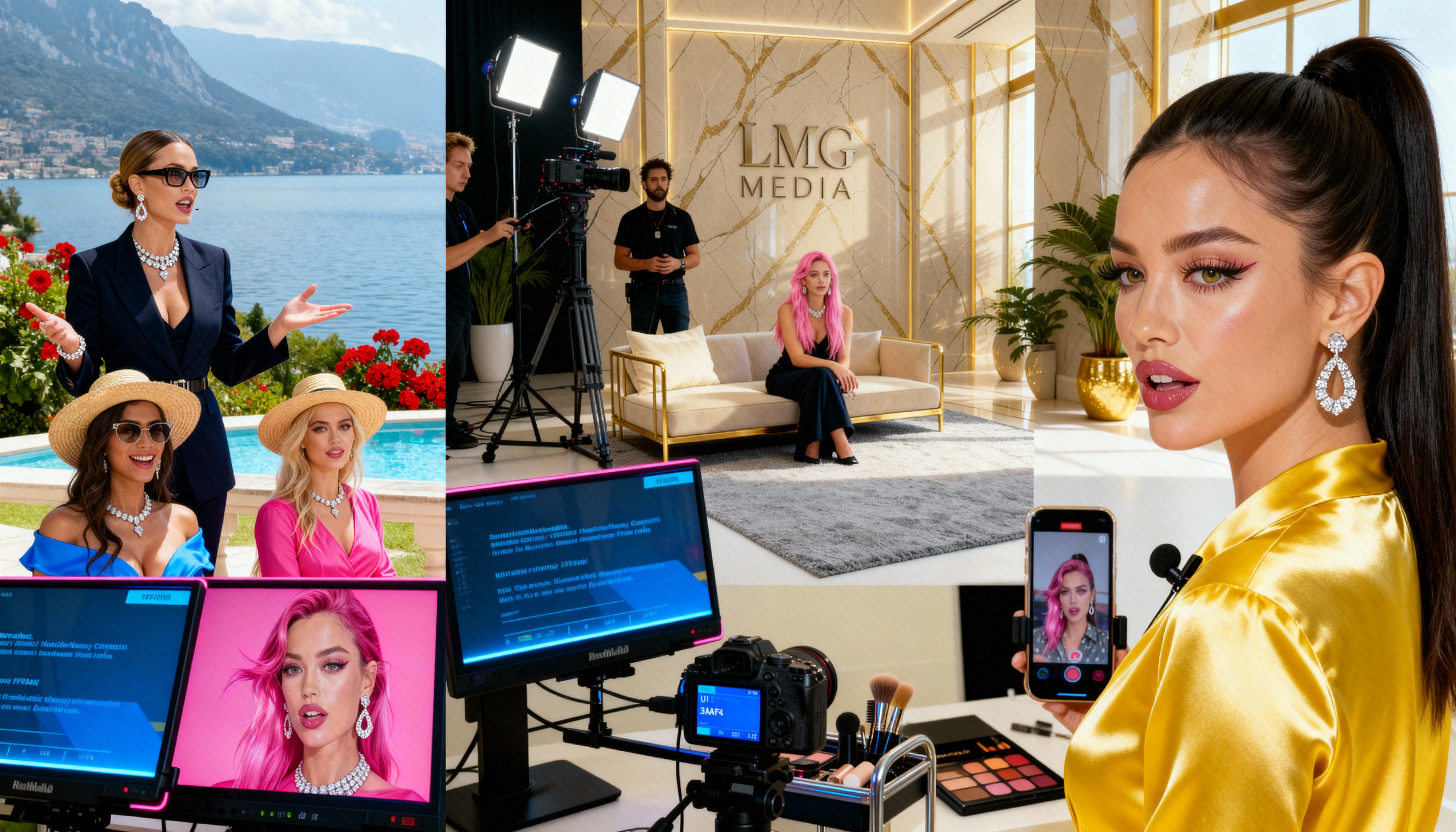
Fashion Brand x Lifestyle Influencer Case Study: A Complete Analysis of Modern Partnership Success
The landscape of fashion marketing has fundamentally transformed over the past decade, with lifestyle influencer partnerships emerging as one of the most powerful tools for brand growth and customer acquisition. This comprehensive case study examines the intricate dynamics between fashion brands and lifestyle influencers, revealing the strategies, metrics, and frameworks that separate successful collaborations from costly missteps.
The Complete Guide to How Fashion Brands Choose the Perfect Lifestyle Influencer Partners
Selecting the right lifestyle influencer represents the single most critical decision in any fashion brand partnership strategy. Leading brands have moved far beyond simplistic follower counts, developing sophisticated evaluation frameworks that assess multiple dimensions of potential partner fit.
The selection process begins with audience demographics analysis, examining not just the size of an influencer's following but the composition, engagement patterns, and purchasing behaviors of their community. Successful fashion brands typically invest 40 to 60 hours in preliminary research before approaching a single influencer, analyzing content history, previous brand partnerships, and audience sentiment patterns.
Major fashion houses now employ dedicated influencer relations teams who map potential partners across detailed matrices measuring aesthetic alignment, audience overlap, engagement authenticity, and content quality consistency. The most successful partnerships emerge when brands identify influencers whose personal style evolution naturally intersects with the brand's design philosophy, creating collaborations that feel organic rather than transactional to audiences.
How to Calculate True ROI from Fashion Influencer Partnerships: Real Numbers from 5 Major Campaigns
Measuring return on investment from influencer partnerships remains one of the most challenging aspects of fashion marketing, yet brands that master this calculation gain significant competitive advantages. Contemporary measurement frameworks track multiple conversion paths, from direct attribution through affiliate links to assisted conversions and long-term brand lift.
Leading fashion brands now implement multi-touch attribution models that assign value across the entire customer journey. A typical successful campaign might show 15 percent direct conversions through trackable links, 35 percent assisted conversions where influencer content played a role in the decision process, and 50 percent brand awareness lift that contributes to future organic searches and purchases.
Real campaign data reveals fascinating patterns. Mid-tier influencers with 50,000 to 200,000 followers consistently deliver engagement rates between 3.5 and 7 percent, substantially outperforming mega-influencers whose engagement often drops below 2 percent. When calculating cost per engagement, brands frequently discover that micro and mid-tier influencers deliver ROI improvements of 200 to 400 percent compared to celebrity partnerships.
Inside the Content Creation Process: How Top Lifestyle Influencers Produce Brand Campaigns
The mechanics of professional influencer content creation reveal why certain partnerships generate exceptional results while others fall flat. Elite lifestyle influencers approach brand collaborations with the same production rigor as traditional advertising agencies, often investing 20 to 40 hours in a single campaign delivery.
The process typically begins with collaborative creative development, where influencers and brand teams align on messaging frameworks, visual aesthetics, and content objectives. Successful collaborations grant influencers substantial creative freedom within clearly defined brand guidelines, recognizing that influencers possess unique expertise in what resonates with their specific audiences.
Production phases involve professional photography or videography, often with dedicated styling, hair, and makeup teams. Top-tier lifestyle influencers maintain relationships with content production specialists, ensuring consistent quality that meets both their standards and brand requirements. Post-production includes sophisticated editing, color correction, and often multiple revision rounds before final approval.
Fashion Influencer Contracts Decoded: Payment Models, Terms, and Negotiation Strategies Revealed
Contract structures and compensation models vary dramatically across the fashion influencer landscape, with payment frameworks ranging from flat fees to complex performance-based arrangements. Understanding these structures proves essential for both brands seeking partnerships and influencers building sustainable careers.
Flat fee arrangements remain most common, with mid-tier lifestyle influencers commanding between 2,000 and 15,000 dollars per campaign, depending on deliverable scope and exclusivity terms. These contracts typically specify exact content formats, posting schedules, usage rights, and exclusivity periods that prevent influencers from partnering with competing brands.
Performance-based compensation models are gaining traction, particularly among emerging direct-to-consumer fashion brands. These arrangements might include base compensation plus commission structures on attributed sales, creating alignment between influencer incentives and brand objectives. Hybrid models combining guaranteed minimums with performance bonuses represent increasingly popular middle ground approaches.
Audience Alignment Strategy: Matching Fashion Brands with Lifestyle Influencer Demographics
Audience alignment represents the fundamental predictor of campaign success, yet many brands approach this critical analysis superficially. Sophisticated alignment assessment examines demographic factors including age distribution, geographic concentration, income levels, and lifestyle characteristics that indicate purchase propensity.
Advanced brands now employ social listening tools that analyze influencer audience conversations, identifying interest patterns, brand affinities, and purchase behaviors. This data reveals whether an influencer's followers genuinely engage with fashion content or primarily follow for unrelated lifestyle aspects like travel or food content.
The most successful partnerships emerge when overlap analysis reveals that 60 percent or more of an influencer's engaged audience falls within the brand's target demographic. Brands achieving this alignment threshold consistently report campaign performance exceeding benchmarks by 2 to 3 times across all key metrics.
Instagram or TikTok for Fashion Campaigns: Platform Performance Comparison with Real Data
Platform selection dramatically impacts campaign performance, with Instagram and TikTok offering distinct advantages for different fashion brand objectives. Current data reveals that Instagram maintains dominance for luxury and premium fashion brands, while TikTok delivers superior performance for trend-driven and accessible price point brands.
Instagram's shopping integration and link functionality create more direct conversion paths, with fashion campaigns on the platform averaging click-through rates between 1.8 and 3.2 percent. The platform's visual-first design naturally suits fashion content, and its audience skews toward users with higher disposable income and established shopping behaviors.
TikTok delivers substantially higher organic reach and engagement, with fashion content frequently achieving 5 to 15 percent engagement rates compared to Instagram's 2 to 5 percent. However, conversion paths remain less direct, requiring more sophisticated attribution modeling to capture full campaign impact.
From One-Off Posts to Brand Ambassadors: Building Long-Term Fashion Influencer Partnerships
The most valuable influencer relationships evolve from single campaigns into sustained brand ambassador programs that deliver compounding returns over time. Fashion brands successfully building long-term partnerships report customer acquisition costs declining by 40 to 60 percent as ambassadors develop authentic connections with products and audiences internalize the partnership authenticity.
Long-term ambassador structures typically involve quarterly or annual contracts with recurring content commitments, exclusive partnership terms, and deepening collaboration on product development and brand strategy. These arrangements transform influencers from external marketing channels into genuine brand stakeholders invested in mutual success.
Successful ambassador transitions require careful relationship management, including regular communication beyond campaign execution, early access to new collections, involvement in brand events, and progressive compensation increases that reflect growing partnership value.
When Influencer Partnerships Go Wrong: Crisis Management Strategies for Fashion Brands
Despite careful planning, influencer partnerships occasionally generate controversies requiring immediate and sophisticated crisis response. Fashion brands must maintain crisis protocols addressing scenarios from influencer personal controversies to campaign execution failures that damage brand reputation.
Effective crisis management begins with comprehensive contract terms specifying moral clauses, content approval processes, and partnership termination conditions. When controversies emerge, successful brands respond with speed and transparency, immediately assessing situation severity and implementing appropriate responses ranging from private corrections to public partnership terminations.
The most damaging crisis scenario occurs when influencer actions contradict core brand values, requiring brands to balance relationship investments against reputation protection. Leading fashion brands maintain crisis response teams capable of executing decisions within hours rather than days, recognizing that delayed responses amplify negative impact.
Authenticity Audit: Evaluating True Lifestyle Influencer Fit for Fashion Brand Partnerships
Authenticity assessment separates genuinely valuable partnerships from superficial collaborations that audiences immediately recognize as purely transactional. Comprehensive authenticity evaluation examines influencer content history, previous brand partnership patterns, audience engagement quality, and alignment between influencer lifestyle and brand positioning.
Red flags include influencers partnering with competing brands simultaneously, dramatic aesthetic shifts suggesting inauthentic content approaches, or engagement patterns showing bot activity or purchased followers. Advanced brands employ specialized tools analyzing engagement timing patterns, comment authenticity, and follower growth trajectories to identify manipulation.
The strongest authenticity indicators include consistent aesthetic evolution, long-term audience relationship development, selective brand partnership history, and content demonstrating genuine product integration into authentic lifestyle contexts.
Scaling Fashion Campaigns: Managing 10+ Lifestyle Influencers in One Coordinated Launch
Large-scale multi-influencer campaigns amplify brand impact but require sophisticated coordination frameworks managing simultaneous partnerships across different influencer tiers, platforms, and content approaches. Successful orchestration demands detailed project management, clear communication protocols, and flexible execution frameworks accommodating individual influencer creative processes.
Coordinated launches typically employ tiered activation strategies, beginning with brand ambassadors and top-tier partners creating anticipation, followed by mid-tier influencers driving mass awareness, and micro-influencers delivering targeted community penetration. Timing coordination ensures message consistency while allowing individual creative expression that maintains authenticity.
The most successful multi-influencer campaigns report reach improvements of 400 to 800 percent compared to single-influencer approaches, with coordinated social proof effects dramatically amplifying perceived brand momentum and desirability among target audiences.
Fashion brands mastering these partnership dynamics consistently achieve marketing efficiency improvements exceeding 300 percent compared to traditional advertising approaches, while building authentic community connections that drive sustained growth and customer loyalty far beyond individual campaign windows.