
Fashion Brand's Blueprint to Instagram Influencer Marketing Success
Fashion brands face unique opportunities and challenges in Instagram influencer marketing. The platform's visual nature perfectly showcases apparel, accessories, and styling, while Instagram's shopping features enable direct purchasing paths from inspiration to transaction. However, the crowded fashion category, rapidly changing trends, and diverse audience segments from luxury to fast fashion require sophisticated strategies that align influencer partnerships with brand positioning, seasonal cycles, and customer acquisition goals.
LMG MEDIA TEAM
· 30 NOV 2025 · 20 MIN READ
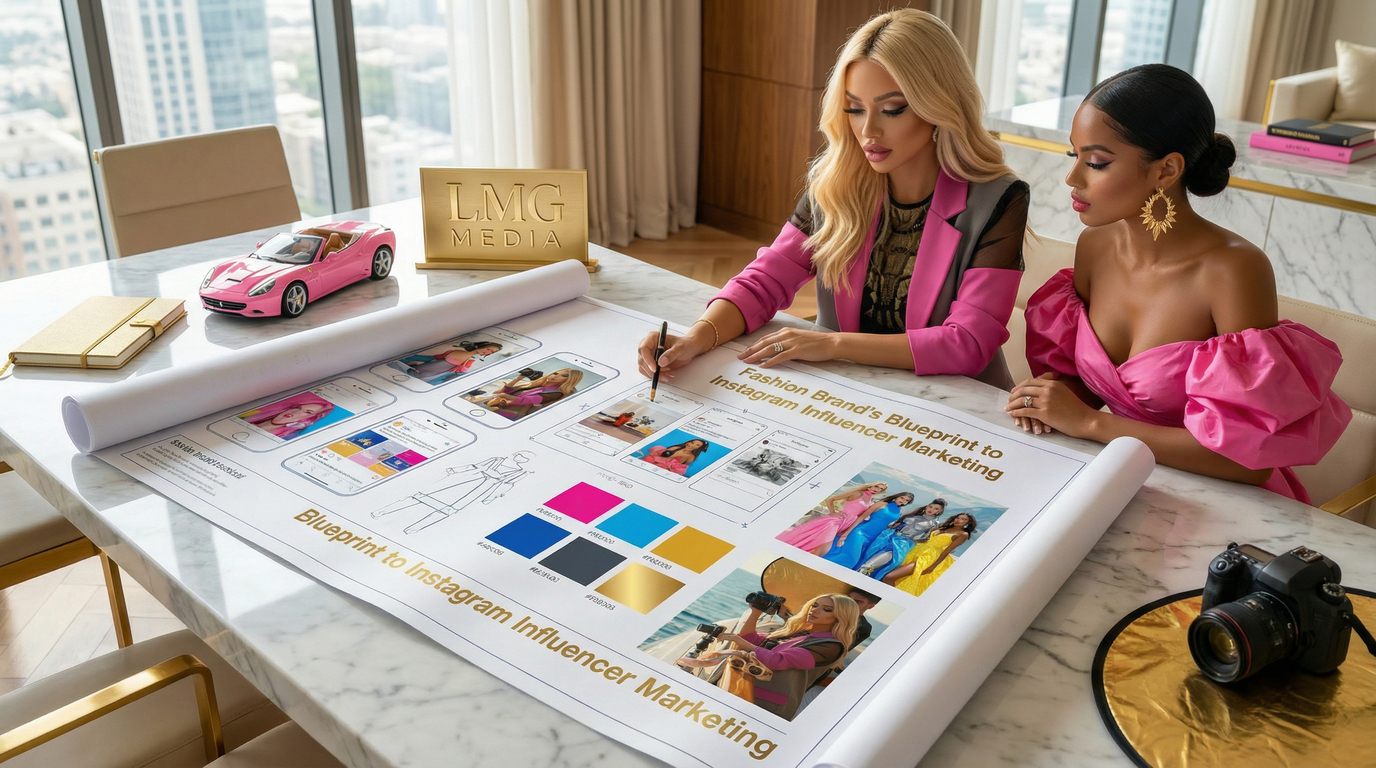
Successful fashion influencer marketing extends far beyond sending free clothes to anyone with followers. Strategic programs carefully match influencer aesthetics with brand identity, leverage seasonal fashion calendars for timely campaigns, create versatile styling content that showcases products across multiple looks, build long-term ambassador relationships that integrate brands into influencer wardrobes, and measure performance beyond vanity metrics to track actual revenue impact and customer lifetime value.
Why Instagram Dominates Fashion Marketing
Instagram's design and features make it the optimal platform for fashion brand marketing and influencer partnerships.
Visual-First Platform Design
Fashion is inherently visual requiring platforms where imagery takes center stage. Instagram's feed showcases photography and video beautifully, Stories enable authentic behind-the-scenes content showing real usage, Reels deliver dynamic styling demonstrations through short video, IGTV supports longer tutorials and lookbooks, and Shop features create seamless purchasing experiences. This visual-first infrastructure showcases fashion far better than text-heavy platforms like Twitter or professional networks like LinkedIn.
Shopping Integration
Instagram Shopping transforms the platform from inspiration source to complete commerce channel. Product tags in feed posts make items shoppable with single taps, Instagram Shop creates browsable storefronts within the app, checkout features enable in-app purchasing without leaving Instagram, and Collections organize products by theme facilitating discovery. This integrated shopping reduces friction between inspiration and purchase driving conversion rates that other platforms cannot match.
Audience Demographics
Instagram users skew younger and more fashion-forward than other major platforms. Key demographic advantages include 32% of Instagram users being 18-24 years old representing fashion's core market, 60% discovering new products on Instagram weekly creating constant purchase opportunities, 80% following at least one business account showing commercial receptivity, and fashion content being one of the most engaged categories on the platform. This fashion-oriented audience makes Instagram essential for brands targeting style-conscious consumers.
Influencer Ecosystem
Instagram hosts the most sophisticated fashion influencer ecosystem across all platforms. Fashion content creators cluster on Instagram making discovery easier, the platform natively supports influencer discovery through hashtags and Explore features, sponsored content tools facilitate partnerships with branded content tags and white-listing, and audience expectations accept fashion brand partnerships as natural platform behavior unlike platforms where sponsored content faces more resistance.
Strategic Influencer Selection for Fashion Brands
Finding influencers whose personal style, audience demographics, and engagement patterns align with brand identity determines campaign success for fashion influencer marketing far more than follower counts or vanity metrics.
Aesthetic Alignment Assessment
Fashion brands must ensure influencer aesthetics match brand positioning before pursuing partnerships. Aesthetic mismatches confuse audiences and damage brand perception regardless of influencer quality. Evaluate aesthetic fit through photography quality and style showing consistent lighting, composition, and editing; overall feed cohesion with color palettes and visual themes; styling sophistication matching brand's fashion sensibility; content variety demonstrating styling versatility; and presence of style red flags like heavy filters distorting colors, inconsistent quality suggesting content isn't original, or aesthetics completely misaligned with brand positioning. Aesthetic alignment matters more for fashion than most categories because visual presentation IS the product.
Review 20-30 recent posts assessing whether the influencer's content could believably feature your products without aesthetic disruption. If your brand appears modern minimalist and the influencer's aesthetic is maximalist boho, the partnership will feel forced regardless of audience size.
Audience Demographics Deep Dive
Surface follower counts reveal nothing about whether audiences actually match your target customers. Demand detailed audience demographics before commitments.
Request media kits or analytics screenshots showing audience age distribution with breakdowns by specific ranges, gender split especially important for brands targeting specific genders, geographic locations showing where followers live, income levels for luxury brands ensuring audience can afford products, and interests and behaviors revealing what else audiences care about beyond fashion. Many influencers' audiences skew different ages, locations, or income levels than the influencer themselves making assumptions dangerous.
Compare audience demographics to your customer data identifying overlap and gaps. An influencer whose audience is 60% women aged 18-24 in the US earning under $50,000 annually fits perfectly for affordable fast fashion but terribly for luxury brands targeting established professionals.
Engagement Quality Over Quantity
Fashion content generates varying engagement patterns, but quality matters more than raw numbers.
Analyze comment content on fashion posts looking for high-quality engagement like styling questions asking where to buy specific pieces, fit inquiries about sizing and how items wear, styling praise specifically noting outfit combinations, and shopping intent statements like "added to cart" or "need this." Generic comments like "pretty" or emoji-only responses indicate passive consumption rather than genuine purchase interest.
Calculate save rate since fashion content with high saves indicates purchase consideration. Audiences save posts they want to remember when shopping or needing styling inspiration. Save rates of 5-8% are strong for fashion content with 8%+ being exceptional.
Review share rate since fashion content shared to friends or Stories suggests audiences find styling so compelling they recommend to others. Share rates above 2% indicate content audiences actively advocate for rather than passively enjoy.
Check engagement consistency across multiple posts. Inconsistent engagement with some posts getting 5,000 likes and others 500 from the same follower count suggests purchased engagement or viral flukes rather than genuinely engaged audiences.
Seasonal Campaign Planning
Fashion operates on predictable seasonal cycles that should drive influencer campaign timing and messaging.
Fashion Calendar Integration
Align influencer campaigns with fashion industry rhythms maximizing relevance and purchase intent.
Spring and Summer collections launch with initial influencer teaser content in January building anticipation, full launch campaigns in February through March during early spring shopping, sustained presence through April and May, and wrap-up content in June. Key shopping moments include Valentine's Day, Spring Break, Easter, wedding season, and graduation.
Fall and Winter collections begin with back-to-school content in July and August targeting students and teachers, full fall launch campaigns in September and October, holiday season intensification in November through December, and winter wardrobe content in January. Key moments include back-to-school, Halloween, Thanksgiving, Black Friday, Cyber Monday, holiday shopping, and New Year's Eve.
Resort and Pre-Fall collections fill gaps between main seasons with resort wear content in November through January for warm-weather getaways and Pre-Fall launches in May through July for early fall adopters.
Holiday and Special Event Campaigns
Major holidays and events create concentrated shopping periods demanding focused influencer activation.
New Year campaigns focus on fresh-start energy promoting activewear for fitness resolutions, organization products for decluttering, and professional attire for career goals. Campaign timing should begin mid-December continuing through January.
Valentine's Day content emphasizes date night outfits, gift-worthy accessories, and romantic styling. Launch campaigns in early February with urgency increasing approaching February 14th.
Spring Break targets vacation wear, swimwear, and travel-appropriate casual styles. Begin campaigns in late February through mid-March as trips approach.
Wedding Season runs May through September requiring bridesmaid dresses, wedding guest attire, accessories, and honeymoon wardrobes. Begin partnerships in early spring when wedding planning intensifies.
Back-to-School represents major shopping period targeting students, teachers, and parents from mid-July through early September. Focus on versatile wardrobe staples, professional attire for teachers, and trendy pieces for students.
Fashion Week activation in September and February positions brands within fashion discourse. Partner with influencers attending shows or watching streams creating timely engagement.
Black Friday and Cyber Monday demand November campaigns emphasizing deals, gift ideas, and holiday wardrobe preparation with urgency peaking Thanksgiving weekend.
Holiday Season from mid-November through late December focuses on party attire, gift guides, and year-end wardrobe refreshes.
Content Strategy for Fashion Influencer Campaigns
Fashion content must balance aesthetic appeal with commercial messaging creating inspiration that drives purchase action.
Complete Outfit Styling
Fashion brands often want influencers promoting single items, but complete outfit styling delivers dramatically better results by showing pieces in context, demonstrating styling versatility, providing inspiration audiences can actually recreate, and increasing average order value as audiences purchase full outfits rather than single items.
Full outfit posts showing head-to-toe looks with all pieces tagged enable audiences to shop complete ensembles. Studies show outfit posts drive 35-60% higher conversion rates and 80%+ higher average order values than isolated product showcases.
Multiple outfit variations using the same key piece demonstrate versatility justifying purchases. An influencer styling one jacket three different ways—casual with jeans, professional with trousers, and dressed up with a dress—shows audiences they'll get multiple looks from one investment.
Styling tips within outfit posts like "I sized up for oversized fit" or "This pairs perfectly with wide-leg pants" provide valuable guidance increasing purchase confidence and reducing returns.
Content Format Diversification
Fashion brands should leverage all Instagram content formats reaching audiences across consumption preferences and maximizing content value.
Feed posts provide permanent eye-catching content showcasing products beautifully with professional photography showing products in best light, detailed captions describing styling, fit, fabric, and buying information, multiple carousel images displaying different angles and styling options, and product tags making items shoppable. Feed posts work best for hero products and major launches deserving permanent prominent placement.
Instagram Stories enable authentic real-time content showing products in action through unboxing reveals building excitement for deliveries, first impression reactions providing authentic enthusiasm, try-on sessions demonstrating fit and styling, throughout-the-day updates showing how pieces wear, and styling comparisons presenting multiple outfit options. Stories create intimacy and authenticity that polished feed posts cannot.
Reels deliver dynamic styling content through short video including quick-change videos showing multiple outfits, styling tutorials demonstrating how to wear pieces, before-after transformations showcasing impact, trend participation connecting products to viral moments, and outfit-of-the-day content in engaging formats. Reels achieve highest organic reach making them valuable for discovery.
IGTV supports longer-form content like complete styling sessions showing multiple looks, detailed reviews discussing fabric, fit, and quality comprehensively, try-on hauls reviewing entire collections, and fashion tutorials teaching styling principles. IGTV works best for engaged audiences willing to invest time in comprehensive content.
Messaging and Call-to-Action Optimization
Fashion influencer content must balance inspiration with commerce guiding audiences from admiration to purchase.
Aspirational yet accessible messaging positions products as desirable but attainable. Language like "This jacket elevated my entire wardrobe" feels inspirational while "Designer-inspired look without the price tag" emphasizes accessibility. Avoid either extreme—pure aspiration without accessibility or pure utility without inspiration—since fashion purchases require emotional connection.
Authenticity and honest reviews including both strengths and limitations build credibility. An influencer noting "This dress is incredible for special occasions but probably too formal for everyday" helps right customers buy while preventing wrong customers from disappointed purchases and returns.
Creating urgency without pressure through language like "These sold out last time so grab them while available," "Limited edition collection only here through spring," or "Use code STYLE20 this weekend only" motivates action without feeling manipulative when accurate.
Strong call-to-action structure follows five-step framework: identify specific product clearly stating exactly what's featured, explain why you love it sharing specific benefits, guide where to buy providing direct links or swipe-up, offer incentive like discount codes when available, and create gentle urgency mentioning limited availability or time-bound offers.
Leveraging User-Generated Content
Customer-created content provides authentic social proof that influences purchases more than brand messaging.
Encouraging Customer Content Creation
Fashion brands can systematically generate user-generated content supplementing influencer partnerships.
Branded hashtag campaigns create community rallying points. Develop memorable brand hashtags like #AerieREAL from Aerie encouraging body-positive unretouched photos, #GuessJeans from Guess showcasing denim styling, or campaign-specific tags for launches. Promote hashtags in product packaging, email signatures, social bios, and paid advertising. Feature best submissions in brand channels rewarding participation. Repost and feature strategies make customers feel valued. Create weekly features highlighting customer styling, share customer photos in Stories with permission, compile monthly round-ups showcasing diverse customer looks, and comment authentically on customer posts mentioning your brand. Recognition motivates continued content creation.
Incentivized programs offer rewards for content. Run monthly contests selecting best customer photo for prizes, provide store credit for featured content, offer early access to new collections for active participants, or create tiered recognition programs with increasing benefits. Even small incentives significantly increase participation.
Make content creation easy by providing clear guidance on what makes good submissions, hashtags to use, how to tag products, and optimal photo specifications. Remove barriers to participation increasing volume and quality.
Content Rights and Repurposing
Fashion brands can maximize UGC value through strategic repurposing across channels.
Secure UGC rights by requesting permission directly through DM when you want to feature content, including rights requests in contest rules so participants grant permission automatically, maintaining templates standardizing permission requests, and documenting approvals for legal protection. Never repurpose content without permission even if publicly posted.
Use UGC in paid advertising since customer content performs exceptionally well as ad creative. UGC ads generate 4x higher click-through rates, 50% lower cost per acquisition, and significantly higher trust than brand-created advertising. Test customer photos against professional photography finding UGC often outperforms.
Multi-channel repurposing extends value by featuring customer content in email campaigns showing real people wearing products, on product pages providing authentic styling inspiration, throughout website adding social proof, in physical retail with displays showcasing real customers, and in paid advertising across platforms. Single UGC pieces provide value across numerous touchpoints.
Building Long-Term Ambassador Relationships
Fashion brands benefit enormously from sustained influencer partnerships rather than one-off campaigns.
Tiered Ambassador Program Structure
Develop multi-tier programs matching influencer commitment levels and compensation.
Tier 1 Affiliate Ambassadors represent entry-level partnerships with 10K-50K followers creating 1-2 posts per quarter plus Stories, receiving $100-$300 monthly stipend plus commission, getting early access to new collections, and earning performance bonuses for strong results. This tier provides volume and testing ground identifying who should advance to higher tiers.
Tier 2 Brand Ambassadors are proven performers with 30K-150K followers creating 3-4 posts per month plus regular Stories, receiving $500-$1,200 monthly stipend plus commission and products, getting exclusive benefits like private shopping events and styling consultations, and participating in content creation sessions. This tier drives consistent presence and content volume.
Tier 3 Brand Partners are top-tier relationships with 100K+ followers creating weekly content, receiving $2,000-$8,000+ monthly plus extensive product gifting, getting VIP treatment with personal brand relationships, participating in product development conversations, and representing brand at major events. This tier provides significant visibility and authentic integration.
Structure tiers with clear advancement criteria based on content quality, engagement rates, sales generation, and professional reliability. Make tier benefits and requirements transparent so ambassadors understand advancement pathways.
Exclusive Experiences and Recognition
Beyond financial compensation, experiences and recognition build ambassador loyalty and enthusiasm.
Private shopping events or digital showrooms give ambassadors early access before public launches creating exclusivity and insider status. Virtual or in-person events with styling consultations and personalized service make ambassadors feel valued.
Fashion Week access or designer meet-and-greets provide aspirational experiences that ambassadors treasure and share with audiences. Even if your brand doesn't show at Fashion Week, you can host viewing parties or events timed with fashion weeks creating fashionable experiences.
Brand trips and retreats bringing multiple ambassadors together for content creation, relationship building, and brand immersion create memorable experiences generating substantial content and deepening relationships. Weekend trips to interesting locations for photoshoots and community building provide multiple benefits.
Feature in brand campaigns and content giving ambassadors official recognition beyond their own channels. Include top ambassadors in email campaigns, website features, lookbooks, and even traditional advertising when appropriate. Official brand recognition validates their influence and provides professional benefits.
Collaboration Opportunities
Involve ambassadors meaningfully in brand development building investment beyond transactions.
Co-designed collections with ambassador input on styles, colors, and features make them stakeholders in product success. Limited capsule collections "designed with" named ambassadors create exclusive products and authentic promotion.
Product naming rights or signature items personalized for individual ambassadors like "The Sarah Jacket" create lasting brand associations and deep personal investment in product success.
Content co-creation involving ambassadors in creative direction, photoshoot planning, and campaign messaging ensures content feels authentic while serving brand objectives. Collaborative content creation produces better results than top-down mandates.
Advisory board participation for top ambassadors gives them voice in brand strategy, product development, and marketing direction. Quarterly advisory meetings gathering ambassador feedback and insights improve business decisions while making ambassadors feel valued as true partners.
Measuring Fashion Influencer Campaign Success
Fashion-specific metrics reveal campaign effectiveness beyond standard engagement measurements.
Fashion-Specific KPIs
Track metrics reflecting fashion purchase behavior and brand impact.
Awareness metrics include total reach showing impressions generated, brand mention volume tracking conversation participation, hashtag usage showing campaign adoption, follower growth particularly from target demographics, and share of voice versus competitors indicating relative visibility. These top-funnel metrics show market presence and discovery.
Engagement metrics include engagement rate benchmarked against category averages, save rate particularly important for fashion showing purchase consideration, share rate indicating content audiences advocate, comment quality analysis distinguishing genuine interest from generic responses, and profile visits showing deeper interest in the brand. Engagement quality predicts conversion better than passive reach.
Traffic and conversion metrics include click-through rates from influencer content, product page visits for featured items, add-to-cart rates showing strong purchase intent, completed purchases from influencer traffic, average order value compared to other channels, and promo code redemptions providing definitive attribution. These metrics directly connect influencer content to revenue.
Long-term value metrics include customer lifetime value by acquisition source, repeat purchase rates for influencer customers, customer retention comparing channels, net promoter scores from different audiences, and brand affinity measurements. Fashion brands benefit greatly from high-value loyal customers making lifetime value crucial.
Attribution Challenges and Solutions
Fashion customer journeys typically involve multiple touchpoints before purchase creating attribution complexity.
Fashion purchase journeys often span days or weeks as customers discover items through influencers, browse brand websites researching options, seek additional reviews or styling inspiration, compare prices checking sales or competing brands, and eventually purchase through organic search or direct traffic. Single-touch attribution models miss influencer's essential role initiating this journey.
Address attribution through unique promo codes providing clear tracking when used, UTM parameters on all influencer links tracking traffic sources, multi-touch attribution models crediting all journey touchpoints, branded search monitoring showing influencer-driven brand discovery, and post-purchase surveys asking how customers heard about products. Comprehensive attribution reveals influencer impact beyond last-click measurement.
Benchmarking Against Industry Standards
Compare performance to fashion-specific benchmarks assessing relative success.
Fashion influencer engagement rates vary by tier with nano achieving 6-10%, micro 4-7%, mid-tier 3-5%, macro 2-4%, and mega 1.5-3%. Fashion content typically achieves higher engagement than many categories due to visual appeal and aspirational nature.
Fashion influencer CTR from Instagram to websites averages 1-2% for feed posts with link-in-bio, 2-4% for Stories with link stickers, and 3-6% for well-executed Reels with links. These benchmarks help identify strong vs. weak traffic generation.
Fashion conversion rates from influencer traffic typically range 2-4% for affordable brands, 1-2% for mid-priced brands, and 0.5-1.5% for luxury brands reflecting consideration time and price sensitivity. Compare your rates to appropriate price tier benchmarks.
Fashion influencer cost benchmarks show nano charging $50-$200, micro $200-$800, mid-tier $800-$3,000, macro $3,000-$15,000, and celebrity $15,000-$100,000+ per post. Geographic location, specialization, and content requirements affect pricing but these ranges guide budget allocation.
Fashion campaign ROI benchmarks show 200-400% ROI being acceptable, 400-700% strong, and 700%+ excellent. Factor in customer lifetime value since fashion brands often achieve 25-40% higher CLV from influencer customers justifying higher acquisition costs than pure first-purchase ROI suggests. But it all starts with finding the right creators for your campaigns.
Frequently Asked Questions
How do I find fashion influencers whose aesthetic matches my brand?
Search niche-specific hashtags related to your style like #sustainablefashion, #minimalistwardrobe, or #bohostyle rather than generic #fashion, analyze your current followers for accounts with 10K+ followers creating relevant content, review competitor tagged posts seeing who features similar brands, and use discovery platforms like Modash or Upfluence filtering by style keywords and aesthetic preferences. Review 20-30 recent posts from potential partners assessing whether their feed could naturally feature your pieces without aesthetic disruption. Prioritize influencers whose existing wardrobe already includes pieces similar to yours stylistically indicating natural fit.
Should I work with one large macro-influencer or multiple smaller micro-influencers?
Multiple micro-influencers typically deliver better ROI for most fashion brands through diversification reducing risk, varied audiences providing broader reach across segments, lower costs enabling testing and optimization, higher engagement rates driving better conversion, and sustained presence across many accounts versus single spike. A $5,000 budget spent on one macro-influencer post generates one content piece and brief visibility, while the same budget across 10-15 micro-influencers creates diverse content, ongoing presence, and multiple audience segments. Reserve macro-influencers for major launches requiring massive reach concentration or when specific influencer alignment is so perfect their higher cost justifies concentrated investment.
What should I send influencers—full outfits or single pieces?
Send complete outfits or multiple complementary pieces whenever possible since styling full looks generates better content and higher conversion rates than isolated items. If sending single pieces, choose versatile items that style easily with basics most people own and provide styling suggestions showing three ways to wear the item. Include digital lookbooks or inspiration boards helping influencers envision complete outfits. Single statement pieces work well for accessories or outerwear that naturally pair with existing wardrobes. For larger partnerships, offer significant product selection allowing influencers to choose pieces matching their personal style and audience preferences creating authentic enthusiasm.
How should I handle negative reviews or styling I don't love?
Authentic reviews including honest critiques build more trust than universally positive content, so accept and even appreciate genuine feedback. If an influencer dislikes something, work with them to identify what they did love or consider ending partnership gracefully rather than forcing enthusiasm. For styling you don't prefer but audiences engage with, remember the influencer understands their audience better than you do—trust their judgment even when it differs from yours. Reserve intervention for serious issues like blatant misrepresentation, unsafe product use, or FTC disclosure violations. Include content approval rights in contracts allowing final review but use them sparingly, only for legitimate concerns rather than preference differences.
What's a reasonable annual budget for fashion influencer marketing?
Budget recommendations vary by business size, but general guidelines include small boutiques or new brands starting with $500-$2,000 monthly working with 5-10 micro-influencers, growing independent brands allocating $3,000-$8,000 monthly for 15-30 partnerships building significant presence, established brands with distribution investing $10,000-$30,000 monthly for comprehensive programs including macro-influencers, and major fashion brands budgeting $50,000-$200,000+ monthly for large-scale multi-tier strategies. As percentage of revenue, fashion brands typically allocate 5-15% of revenue to marketing total with 20-40% of marketing budget to influencer partnerships specifically. Start conservatively, prove ROI, and scale based on results rather than committing unsustainably large budgets before validating the channel.
How long should influencers keep content featuring my products posted?
Contract terms should require minimum posting duration typically 90-180 days ensuring your investment delivers sustained value rather than disappearing immediately. After minimum periods, influencers generally control their content and may remove it. For long-term ambassadors posting regularly, individual post longevity matters less since new content continuously appears. Permanent content works well for evergreen products and styling but may not suit limited collections or seasonal items. Negotiate content usage rights separately from posting duration—even if influencers remove posts from their feeds, your license to use content in advertising, on websites, or in other marketing should continue for specified periods like 6-12 months or perpetually depending on compensation.
More from the desk
FULL INDEX · 54 → Industry guidesTech Influencer Marketing: How B2B and Consumer Tech Brands Work with CreatorsNO. 21 · 9 MIN
 Industry guidesTravel Influencer Marketing: How Hospitality and Tourism Brands Partner with CreatorsNO. 20 · 9 MIN
 Industry guidesFood Influencer Marketing: How Restaurants and FMCG Brands Work with Food CreatorsNO. 19 · 9 MIN
LMG MEDIA · THE DESK
NO. 11 · FILED 30 NOV 2025 · LMG.MEDIA/BLOG
LMG.MEDIA/BLOG · © 2026
© 2026 LMG MEDIA
WHERE QUALITY BRANDS MEET ICONIC INFLUENCE