
Food Influencer Marketing: How Restaurants and FMCG Brands Work with Food Creators
Learn how food brands, restaurants, and FMCG companies build effective influencer marketing campaigns. This complete guide covers creator selection, content formats, platform strategy, and how to measure ROI for food and hospitality brands.
LMG MEDIA TEAM
· 28 MAR 2026 · 9 MIN READ
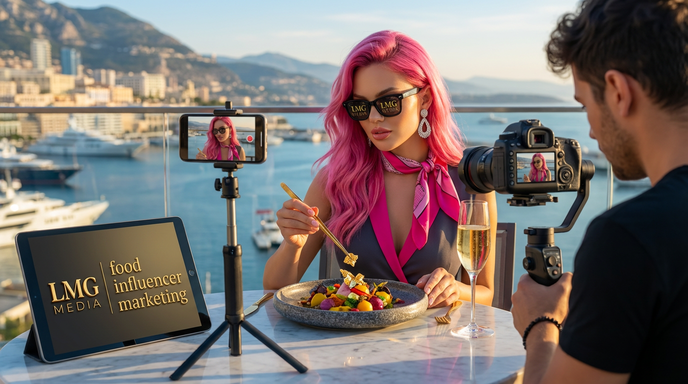
Food is one of the most powerful categories in the entire creator economy. People have always sought recommendations for where to eat and what to cook from sources they trust — and the creator economy has simply moved that recommendation behaviour onto social platforms where it happens at scale, in real time, with direct links to purchase and reservation.
The food creator community spans an enormous range — from Michelin-starred restaurant reviewers with global audiences to neighbourhood food bloggers with 5,000 deeply engaged local followers who send queues around the block every time they post. The brands and restaurants that understand how to work across this spectrum consistently outperform those that treat food influencer marketing as a simple gifting exercise.
This guide covers how food brands, restaurants, and FMCG companies can build influencer marketing programmes that drive genuine results — from reservations and footfall to product sales and brand awareness.
Why Food Influencer Marketing Works
Food is inherently visual and social. The desire to share food experiences — to show what you are eating, where you are eating it, and how good it looks — is one of the most natural human social behaviours. This makes food content authentic in a way that is genuinely difficult to manufacture. When a creator shares a meal they genuinely loved, their audience feels that authenticity immediately.
The recommendation carries enormous commercial weight. Dining and food purchase decisions are among the most recommendation-driven consumer choices. People actively seek out trusted voices before choosing a restaurant, trying a new product, or deciding where to order from. A single post from a trusted food creator can drive bookings, sales, and queues that no amount of paid advertising can replicate at equivalent cost.
The content compounds over time. Food content — particularly on YouTube and Google — has significant long-tail value. A restaurant review published two years ago continues driving reservations when people search for dining options in that area. An FMCG product review on YouTube continues driving product page traffic long after the campaign officially ends.
TikTok has made food viral in an entirely new way. The TikTok food community has created a phenomenon where products and restaurants can go from unknown to sold out in 48 hours through a single piece of viral creator content. The "TikTok made me try it" behaviour is a genuine commercial force for food brands that understand how to harness it.
The Food Creator Landscape
By Platform
Instagram remains the primary platform for food influencer marketing, particularly for restaurants, hospitality, and premium food brands. Instagram's visual format is perfectly suited to food photography, and the platform's location tagging infrastructure makes it directly effective for driving restaurant footfall and reservations. Food content consistently achieves some of the platform's highest save rates — a strong indicator of purchase and visit intent.
TikTok is now the most powerful food discovery platform for brands targeting under-40 consumers. TikTok food content — from restaurant reviews and taste tests to cooking tutorials and food trend participation — achieves viral reach that Instagram cannot match. For FMCG brands and accessible restaurant groups, TikTok influencer marketing should be a primary investment.
YouTube is the dominant platform for long-form food content — cooking tutorials, restaurant guides, food travel content, and in-depth product reviews. YouTube food content has significant long-tail value, continuing to drive traffic and conversions for months and years after publication. For premium food brands and restaurants in major food tourism destinations, YouTube creator partnerships deliver sustained, compounding returns.
Food blogs and newsletters remain relevant for SEO-driven food discovery. Food bloggers with established Google presence continue to drive significant reservation and product purchase traffic through organic search — a channel that social platforms cannot replicate.
By Creator Type
Restaurant and dining reviewers produce content specifically around eating out — visiting restaurants, reviewing the experience, and recommending to their audiences. Their followers are actively seeking dining recommendations and respond with high intent. A positive review from a respected food reviewer in a specific city can drive weeks of sustained reservation volume.
Recipe and home cooking creators produce content around cooking at home — recipes, technique videos, ingredient showcases, and meal planning. For FMCG brands, ingredient manufacturers, kitchen equipment companies, and grocery retailers, recipe creators are among the most directly relevant creator partners available.
Food travel and discovery creators document food experiences across cities and regions — markets, street food, hidden gems, and culinary tourism. For restaurants in tourist destinations and food tourism destinations, these creators reach audiences who are actively planning visits.
Micro-influencers in local food communities are among the most commercially effective food creator partners for independent restaurants and local FMCG brands. A creator with 8,000 deeply engaged local followers who posts about neighbourhood restaurants consistently drives more reservations per post than a national food creator with 500,000 followers — because their audience is geographically relevant and trusts their hyper-local knowledge.
Food Influencer Campaign Formats
Restaurant and Hospitality
Press preview and launch events — inviting creators to experience a new restaurant opening, menu launch, or seasonal event before public launch. Launch events generate concentrated creator content around a single moment, creating a wave of visibility that accelerates early reservation volumes.
Hosted dining experiences — inviting creators for a complimentary dining experience and allowing them to share their genuine reaction. The most effective hosted dining partnerships provide genuinely excellent experiences and allow completely honest reviews — creators whose audiences trust them to give real opinions generate significantly more reservations than those who are clearly positive regardless of quality.
Ongoing ambassador arrangements — partnering with a small number of locally trusted food creators as ongoing brand voices. Ambassadors visit regularly, share seasonal content, and build a sustained association between the creator's identity and the restaurant's brand.
Delivery and takeaway campaigns — partnering with creators to showcase delivery orders, unboxings, and at-home dining experiences. Particularly effective for delivery-first and cloud kitchen brands whose products are consumed at home rather than in-venue.
FMCG and Food Brands
Recipe integrations — creators incorporate your product as a key ingredient in an original recipe. The most effective recipe integrations showcase the product in a context where it is genuinely central to the dish rather than incidentally present.
Product taste tests and first impressions — creators share their honest first reaction to trying a new product. Authentic taste test content consistently outperforms scripted endorsements for FMCG brands because audiences can immediately detect genuine enthusiasm versus performed approval.
Grocery haul and product discovery content — creators share their regular grocery shopping or pantry staples and include your product as a genuine recommendation. This format works particularly well for accessible FMCG brands where the recommendation feels like a peer tip rather than a brand advertisement.
TikTok Shop product campaigns — for FMCG brands with products listed in TikTok Shop, creator affiliate campaigns around food products can drive direct sales with strong conversion rates. The combination of entertaining food content and native checkout is particularly effective for snack, beverage, and impulse purchase categories.
Creator Selection for Food Campaigns
Genuine Food Passion
The most important criterion in food creator selection is whether the creator is genuinely passionate about food. Audiences can immediately detect creators who are posting food content for commercial reasons rather than genuine enthusiasm — and commercially motivated food content performs poorly regardless of production quality.
Look for creators who post about food consistently in their organic content — who visit restaurants on their own initiative, who cook and share recipes because they want to, and who have built their audience through genuine food expertise rather than general lifestyle content that happens to include food.
Geographic Relevance for Restaurants
For restaurant and hospitality brands, geographic audience relevance is the single most important selection criterion. A food creator with 200,000 followers based in a different city is largely irrelevant to a restaurant's reservation volume. A creator with 15,000 local followers whose audience is predominantly based in the restaurant's city will consistently drive more covers than the larger creator with misaligned audience geography.
Always verify that a food creator's audience is predominantly based in your restaurant's geographic market before committing to any partnership.
Content Quality and Aesthetic
Food photography and video quality matters — not just for brand association but for conversion. High-quality food content that makes the product or dish look genuinely appetising drives more reservations and purchases than low-quality content regardless of the creator's audience size. Review the quality of the creator's existing food content against the standard your brand requires.
Measuring Food Influencer Campaign Performance
Reservations and footfall — for restaurants, track reservation volumes before, during, and after creator content goes live. Many reservation platforms allow UTM tracking and promo code attribution. Creator-specific booking codes ("book with code [CREATOR]") provide clean attribution data.
Promo code redemptions — for FMCG brands, creator-specific discount codes provide direct conversion attribution at the individual creator level.
Save rates — food content save rates are a particularly strong leading indicator of intent. High save rates on restaurant content indicate that viewers are saving the post to return to when making dining plans. Track save rates alongside engagement rates for food content.
Search volume uplift — track branded search volume and Google Maps search activity for restaurants before and after major creator campaigns. Sustained increases in branded search indicate genuine awareness impact beyond the platform where the content was published.
Working with a Food Influencer Marketing Agency
At LMG Media, our food influencer marketing practice connects restaurants, hospitality groups, and FMCG brands with the right food creators across key markets including London, New York, Dubai, Los Angeles, Miami, and Paris. Get in touch to discuss building a food influencer programme for your brand.
Summary
Food influencer marketing is one of the most conversion-effective channels available to restaurants, hospitality brands, and FMCG companies — built on genuine recommendation trust, visual content formats that are native to social platforms, and audiences that are actively seeking food discovery. The key principles to carry forward:
- Prioritise genuine food passion in creator selection — audiences detect inauthenticity immediately in food content
- For restaurants, geographic audience relevance matters more than follower count
- Invest in TikTok for viral product discovery and Instagram for sustained reservation driving
- Allow honest reviews — creators whose audiences trust their genuine opinions drive more conversions than those who are uniformly positive
- Track save rates alongside engagement — in food content, saves are the strongest indicator of genuine visit and purchase intent
More from the desk
FULL INDEX · 54 → Industry guidesTech Influencer Marketing: How B2B and Consumer Tech Brands Work with CreatorsNO. 21 · 9 MIN
 Industry guidesTravel Influencer Marketing: How Hospitality and Tourism Brands Partner with CreatorsNO. 20 · 9 MIN
 Industry guidesAI Influencer Marketing: The Brand's Guide to Working with Virtual CreatorsNO. 18 · 9 MIN
LMG MEDIA · THE DESK
NO. 19 · FILED 28 MAR 2026 · LMG.MEDIA/BLOG
LMG.MEDIA/BLOG · © 2026
© 2026 LMG MEDIA
WHERE QUALITY BRANDS MEET ICONIC INFLUENCE