
TikTok Agencies Combining Paid Ads with Influencer Partnerships
TikTok's most successful brand campaigns rarely rely on just paid advertising or just influencer partnerships—they strategically integrate both approaches to create synergy effects that amplify results beyond what either tactic achieves independently. This integrated strategy leverages the authentic credibility that influencers provide while using paid promotion to extend that authenticity to precisely targeted audiences at scale, creating multiple touchpoints that reinforce brand messaging through varied perspectives.
LMG MEDIA TEAM
· 01 DEC 2025 · 16 MIN READ
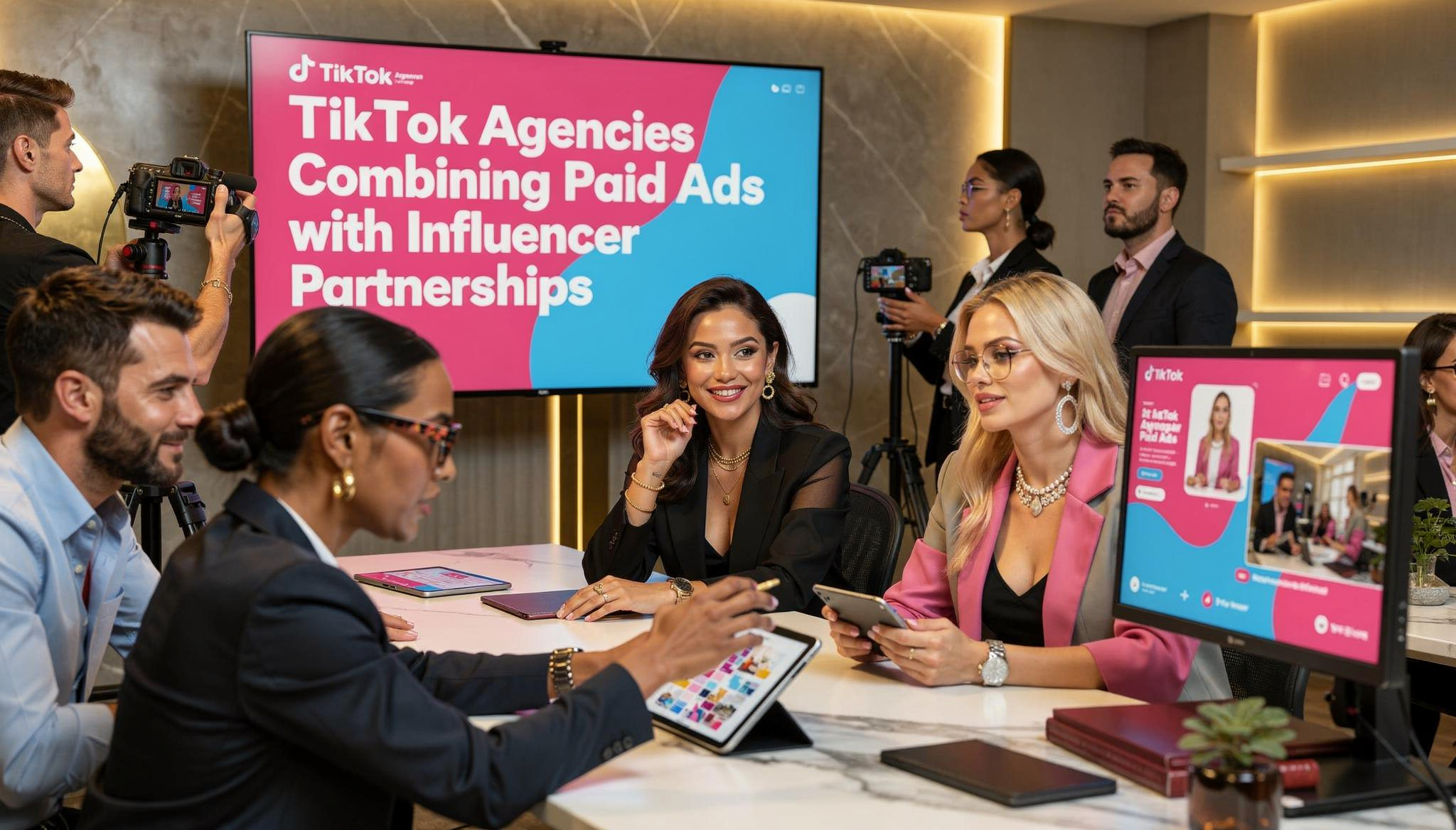
The power of this combined approach lies in how it addresses TikTok's unique ecosystem where users are simultaneously skeptical of traditional advertising yet highly responsive to recommendations from creators they trust. Pure paid advertising can feel intrusive and trigger scroll-past reactions from audiences trained to ignore commercial messages. Pure influencer marketing provides authenticity but limits scale and targeting precision to the influencer's existing audience. Combining both approaches captures the best of each method while mitigating their individual limitations.
Most businesses struggle to execute this integration effectively because it requires coordinating multiple workstreams that traditionally live in separate silos. Influencer marketing and paid media buying typically involve different teams, different budgets, different platforms, and different success metrics. Getting these efforts to work together harmoniously rather than operating as disconnected tactics requires specialized expertise and intentional strategic planning. Agencies that truly excel at TikTok understand this integration isn't optional—it's essential for maximizing platform performance.
This guide explores how sophisticated TikTok agencies structure integrated influencer and paid advertising campaigns, why this combined approach delivers superior results, what specific strategies and tactics make integration effective, and how to identify and partner with agencies that have genuine expertise in both disciplines rather than just claiming full-service capabilities while actually outsourcing or weak in one area.
Why Integration Outperforms Isolated Tactics
Understanding the specific mechanisms through which combined influencer and paid strategies create superior performance helps you appreciate why agencies emphasizing integration typically deliver better results.
Authenticity with scale represents the fundamental value proposition of integration. Influencer content provides genuine endorsements from voices audiences already trust, reducing the skepticism that accompanies obvious advertising. These authentic endorsements resonate deeply with the influencer's existing audience but reach limitations when relying solely on organic distribution. Paid promotion takes that authentic content and extends its reach to carefully targeted audiences far beyond the creator's followers, maintaining the credibility of influencer endorsement while achieving the scale and precision of paid advertising.
TikTok's algorithm rewards engaging content with organic distribution, and influencer partnerships typically generate strong engagement because the content aligns with what audiences expect from creators they follow. When brands then amplify this high-performing content through paid promotion, TikTok's algorithm often rewards the ads with better delivery efficiency and lower costs compared to traditional brand-produced advertising. You're essentially buying paid distribution for content that's already proven its ability to engage audiences organically.
Multiple touchpoint reinforcement increases message absorption and impact. Modern marketing recognizes that consumers rarely convert after single exposure—they need repeated interactions with brands before making purchase decisions. Integration creates these multiple touchpoints through influencer organic posts reaching audiences initially, paid promotion exposing different audience segments or reinforcing exposure for the same audiences, varied creative perspectives from different influencers and brand content, and retargeting that keeps brands visible throughout consideration periods. This multi-touch approach drives higher conversion rates than single-channel tactics.
Diverse content perspectives prevent creative fatigue and increase relevance. When audiences see the same brand message repeatedly from the same source in the same style, fatigue sets in and performance degrades. Integration naturally creates content diversity through multiple influencers sharing different takes on your products, brand-produced content complementing influencer perspectives, varied content formats from educational to entertaining to testimonial, and different use cases and applications showcased. This diversity keeps content fresh and maintains audience interest longer.
Risk mitigation comes from diversification across tactics and partners. Relying exclusively on paid advertising means algorithm changes or platform policy shifts could dramatically impact performance overnight. Depending entirely on influencer marketing creates vulnerability to creator controversies, schedule changes, or relationship issues. Balancing investment across both approaches reduces dependence on any single tactic, allowing you to adapt when one channel faces challenges while the other continues performing.
Core Integration Strategies That Drive Results
Effective integration requires deliberate strategic frameworks, not just running influencer campaigns and paid ads simultaneously without coordination.
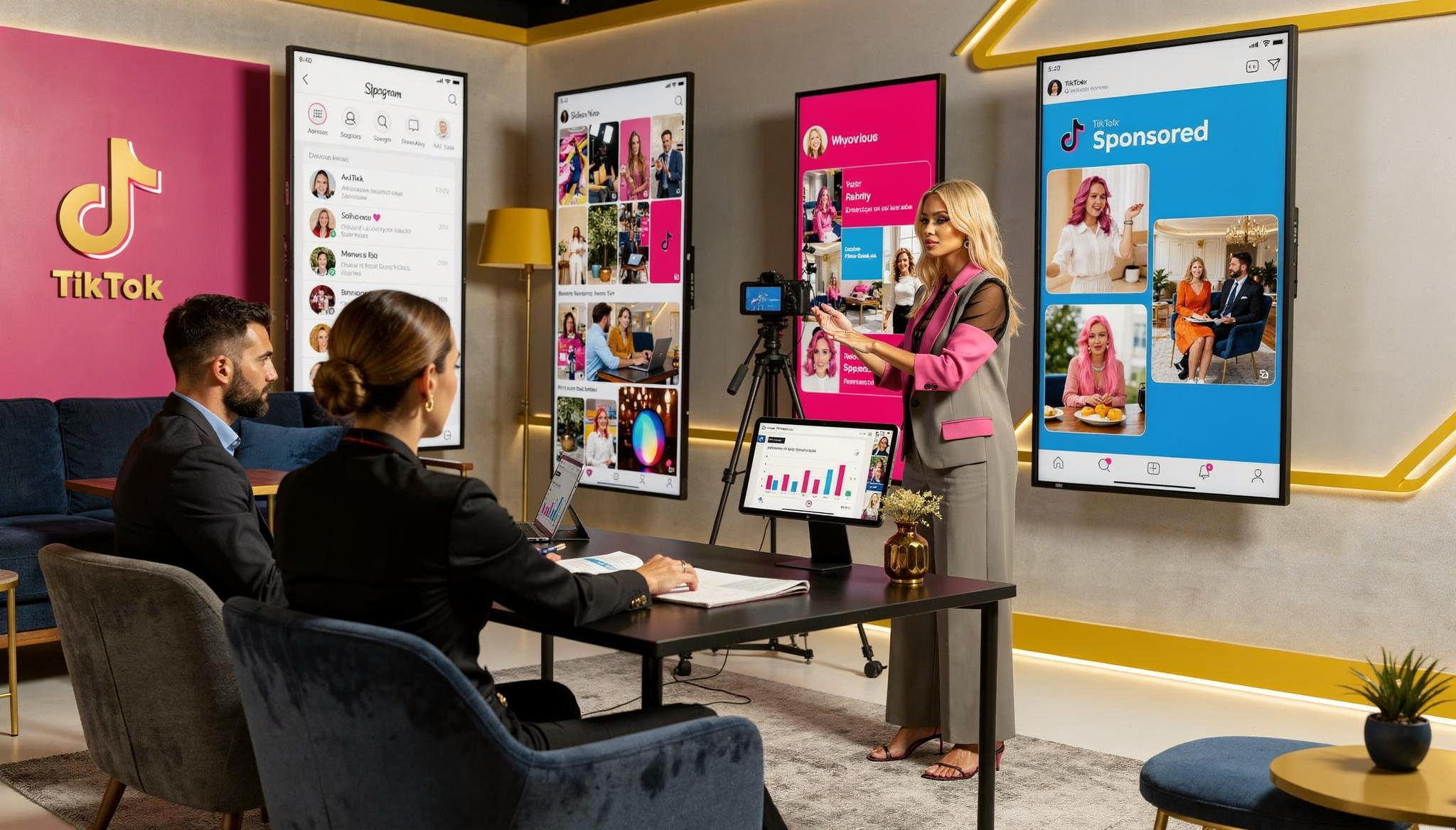
Spark Ads represent TikTok's purpose-built integration tool, allowing brands to promote influencer organic posts as paid advertisements while maintaining all the original engagement. Unlike traditional ads that start from zero, Spark Ads preserve existing likes, comments, and shares from the organic post, creating social proof that increases credibility. The post displays from the influencer's profile rather than the brand account, maintaining authenticity. Users who click the creator name visit the influencer's profile, creating opportunities for deeper engagement.
Spark Ads typically deliver thirty to fifty percent higher engagement rates than standard brand ads, twenty to forty percent lower cost per click, twenty-five to sixty percent higher conversion rates, and improved video completion rates. These performance advantages stem from the authentic feel of creator content combined with precise paid targeting. Strategic agencies identify top-performing organic influencer posts, then amplify them with Spark Ads to extend reach far beyond the creator's audience while maintaining the authentic endorsement feel.
Whitelisting and authorization strategies give brands advertising access to influencer accounts, allowing them to run paid campaigns directly from creator profiles. This differs from Spark Ads in that brands can create and test multiple campaigns using the influencer account without necessarily promoting an organic post. Agencies negotiate whitelisting permissions as part of influencer agreements, then use this access to run extensive paid campaigns that appear to come from trusted creators rather than brands.
Whitelisting enables A/B testing of creator content against brand content, extending high-performing influencer content beyond organic lifespan, controlling targeting and optimization while maintaining creator authenticity, and tracking performance with paid advertising precision. The combination of creator credibility with brand control over distribution creates powerful synergies.
Sequential campaign architecture coordinates influencer and paid tactics across the customer journey. Sophisticated agencies map customer progression through awareness, consideration, and conversion stages, then deploy appropriate tactics at each stage. Awareness phase might feature influencer organic posts for natural discovery, paid reach campaigns amplifying influencer content to cold audiences, and viral potential through authentic recommendations. Consideration phase layers detailed product reviews from trusted creators, retargeting ads to engaged audiences, and educational content addressing objections. Conversion stage includes direct shopping links in sponsored posts, retargeting with offer-focused ads, and limited-time promotions driving urgency.
This sequential approach ensures audiences receive appropriate messages at each stage rather than treating everyone the same regardless of where they are in the buying process. It creates cohesive experiences where paid and influencer touchpoints complement rather than duplicate each other.
Multi-creator campaigns orchestrate content across multiple influencers simultaneously, creating cultural moments and mass awareness that single partnerships can't achieve. Agencies coordinate five to fifteen creators producing content in compressed timeframes, diverse content styles and perspectives, staggered posting schedules for sustained presence, cross-promotion and creator collaboration, and performance-based budget allocation. When executed well, multi-creator campaigns create the perception of organic momentum, making brands feel culturally relevant and driving FOMO that accelerates conversion.
Content rights negotiation and repurposing extend value from influencer partnerships beyond initial posts. Strategic agencies negotiate usage rights allowing brands to repurpose influencer content in paid ads, feature creator content on brand channels and website, create compilations and highlight reels, and develop testimonial assets for other marketing. This content repurposing dramatically increases return on influencer investment by extracting multiple uses from single partnerships.
Creative Formats That Bridge Influencer and Paid
Certain content approaches work particularly well in integrated campaigns because they feel authentic enough for influencer creation while being structured enough for effective paid performance.
Unboxing and first reactions provide authentic enthusiasm that builds anticipation and desire. These videos capture genuine creator responses when first receiving and experiencing products, highlighting packaging and presentation, showing product scale and details, featuring authentic excitement and interest, and addressing initial questions and impressions. Agencies produce unboxing content with influencers for organic posting, then amplify top-performing versions with Spark Ads to broader audiences.
Product demonstrations and tutorials showcase actual usage while providing value to viewers. Rather than just selling, these videos teach something useful while naturally featuring products. An influencer might demonstrate makeup application using sponsored products, show cooking techniques with sponsored cookware, explain organization systems using sponsored storage solutions, or teach fitness routines using sponsored equipment. The educational value makes content engaging beyond the commercial message, improving both organic performance and paid advertising efficiency.
Before-and-after transformations provide visual proof of product effectiveness that drives conversion. These work particularly well for beauty products, fitness equipment, home organization, cleaning products, and renovation supplies. Agencies coordinate with influencers to document transformation journeys authentically, showing realistic timelines and results, addressing potential skepticism directly, and featuring diverse users and use cases. The most powerful versions then get promoted heavily through paid campaigns to maximize impact.
Challenge and trend participation leverages TikTok's viral nature by creating branded challenges or participating in existing trends. Agencies recruit influencers as challenge initiators, create branded hashtags and mechanics, incentivize user participation with prizes or features, and amplify challenge content through paid promotion. Successful challenges create user-generated content at scale while building brand awareness organically and through amplification.
Behind-the-scenes and brand story content builds emotional connection by revealing human elements of brands. Influencer visits to brand offices, facilities, or events create authentic insider perspectives. These videos show production processes and quality standards, introduce brand founders and teams, explain brand missions and values, and provide exclusive access and experiences. This content often performs exceptionally well both organically and when amplified because it satisfies curiosity and builds trust through transparency.
Day-in-the-life integration shows natural product usage within realistic daily routines. Instead of dedicated product promotion, influencers incorporate branded items seamlessly into lifestyle content. The brand appearance feels organic rather than forced, showing natural use cases and applications, demonstrating product role in desirable lifestyles, and creating aspiration without aggressive selling. Agencies identify these organic integrations from influencer content, then amplify them to broader audiences where the authentic integration maintains effectiveness.
Measuring Integrated Campaign Performance
Proper measurement of combined influencer and paid campaigns requires tracking both individual channel performance and synergistic effects.
Individual channel metrics provide baseline understanding. Agencies track influencer campaign performance including organic reach and impressions, engagement rate on sponsored posts, profile visits and follows, link clicks and swipe-ups, and content views and completion. Separately they measure paid advertising performance with cost per thousand impressions, click-through rate, cost per click, conversion rate, and cost per acquisition or ROAS. These individual metrics reveal how each channel performs in isolation.
Cross-channel attribution identifies synergistic effects where the combination delivers more than the sum of parts. Sophisticated agencies use assisted conversions from influencer exposure, incremental reach beyond organic distribution, engagement rate comparing paid versus organic, lift studies measuring impact of combined exposure, and customer journey mapping across touchpoints. This analysis reveals whether integration actually creates synergy or whether the tactics simply run in parallel without reinforcing each other.
Content performance analysis identifies which creative approaches and which creators drive the strongest results. Good Tiktok Ad Agencies compare engagement rates across different influencer partnerships, conversion performance by content type and format, Spark Ads performance versus standard ads, audience response to different product positioning, and creator authenticity perception and trust indicators. These insights inform future creator selection and content strategy, ensuring learning compounds over time.
Return on investment calculation must account for total costs across both influencer fees and paid spend. Total investment includes influencer compensation for content creation, content usage rights and whitelisting fees, paid media spend on amplification, and agency management costs. Total return encompasses direct attributed revenue from tracked conversions, assisted revenue where influencer or paid touched customer journey, earned media value from organic amplification, and brand awareness and consideration lift. Comprehensive ROI analysis ensures you understand complete program economics rather than just evaluating individual tactics.
The optimal measurement framework connects campaign activity to business outcomes. Revenue and profit impact, customer acquisition cost and lifetime value, market share and competitive positioning, and brand health metrics like awareness and favorability. Agencies that only report campaign metrics without connecting to business results often optimize for the wrong objectives.
Agency Capabilities for True Integration
Not all agencies claiming integrated capabilities actually deliver coordinated strategies. Understanding what true integration requires helps you evaluate agency capabilities accurately.
Dual expertise in both influencer marketing and paid media buying is non-negotiable. Agencies must maintain teams with deep influencer relationship management experience including creator identification and vetting, contract negotiation and legal compliance, creative direction and brief development, relationship management and communication, and payment processing and performance tracking. Simultaneously they need sophisticated paid media expertise covering audience targeting and campaign structure, bidding strategies and budget management, creative testing and optimization, analytics and attribution, and platform technical implementation.
Agencies lacking strength in either area often outsource that function or deliver weak performance in that discipline. Ask specifically about team composition, expertise, and whether work happens in-house or through partners.
Integrated workflow processes distinguish agencies that truly coordinate tactics from those running separate workstreams. Quality agencies maintain unified strategy development across influencer and paid, coordinated content calendars and posting schedules, systematic identification of organic content for paid amplification, shared performance data and insights, and combined reporting showing integrated results. If influencer and paid teams work in silos without coordination, you're not getting true integration regardless of what they claim.
Technology and platform capabilities enable effective execution. Agencies need influencer management platforms for discovery, tracking, and coordination, Spark Ads expertise and authorization management, analytics tools connecting influencer and paid performance, attribution systems mapping customer journeys, and dashboard reporting showing unified metrics. Ask what tools they use and how they connect data across influencer and paid initiatives.
Influencer network depth determines partnership quality and efficiency. Established agencies maintain relationships with hundreds or thousands of creators across tiers and niches, vetted creators with known performance and professionalism, existing contracts and frameworks that accelerate partnerships, and ongoing relationship management that enables quick activation. Building influencer networks from scratch for each client wastes time and often results in suboptimal partnerships.
Pricing Integrated Service Packages
Combined influencer and paid campaigns involve more complexity than either tactic alone, which affects pricing structures and total investment required.
Comprehensive packages bundling both services typically range from eight thousand to thirty thousand dollars monthly depending on scope and scale. Entry-level packages might include five to ten micro-influencer partnerships, content rights and Spark Ads authorization, moderate paid amplification budget, basic performance reporting, and three to six month minimum commitment. Mid-tier packages expand to ten to twenty multi-tier influencer partnerships, comprehensive content rights and whitelisting, substantial paid amplification budget, advanced attribution and analytics, and dedicated integrated account team. Premium packages deliver twenty-plus influencer partnerships across all tiers, complete content ownership and creator network access, unlimited paid amplification management, custom dashboards and strategic consulting, and senior leadership involvement.
Separate pricing for influencer and paid components allows flexible budget allocation. Agencies might charge fifteen to twenty-five percent of total influencer fees plus fifteen to twenty-five percent of paid ad spend. This structure gives you control over investment allocation between organic creator partnerships and paid amplification. The tradeoff is that it can become expensive as both elements scale, and it might create misaligned incentives where the agency is motivated to maximize spend in both areas rather than finding optimal balance.
Performance-based models align agency compensation with integrated results. Some progressive agencies offer hybrid structures with modest base retainer covering core services plus performance bonuses tied to overall campaign results. For example, five thousand dollar monthly base plus ten percent of attributed revenue exceeding targets. This approach ensures agencies focus on integrated performance rather than just activity metrics or spending levels.
Project-based integrated campaigns work for defined initiatives like product launches or seasonal promotions. Agencies package complete services including strategy and creator recruitment, content creation across multiple influencers, paid amplification through campaign period, and post-campaign analysis and reporting. These packages typically range from twenty-five thousand to one hundred fifty thousand depending on scale and duration.
The key is understanding total program investment and whether the integrated approach delivers sufficient incremental value over simpler single-tactic campaigns. Integration costs more than either tactic alone, but the performance lift should more than justify the additional investment.
Selecting an Integrated Campaign Agency
When evaluating agencies for combined influencer and paid campaigns, look for specific indicators of genuine integrated capability.
Portfolio review should showcase integrated campaigns specifically, not just separate influencer case studies and separate paid advertising examples. Ask to see campaigns where they coordinated both tactics, how they structured the integration, what results they achieved from the combined approach versus either tactic alone, and how synergies manifested in performance. Agencies with real integration expertise will happily walk you through integrated case studies demonstrating their approach.
Team structure questions reveal whether integration happens operationally or just conceptually. Who leads integrated campaigns strategically? How do influencer and paid teams coordinate day-to-day? What processes ensure alignment rather than siloed execution? Do influencer and paid specialists participate in shared planning and reviews? The answers reveal whether integration is genuine or superficial.
Platform and tool capabilities indicate whether they can execute integration effectively. Ask about their Spark Ads experience and optimization approach, whitelisting authorization and implementation process, attribution methodology connecting influencer and paid touchpoints, reporting systems showing unified metrics, and influencer discovery and management platforms. Agencies without sophisticated integration tools often struggle with execution regardless of strategic intentions.
Negotiation and legal expertise matters because integrated campaigns involve complex agreements. Agencies should demonstrate content usage rights negotiation experience, whitelisting and authorization contracts, FTC compliance and disclosure requirements, creator exclusivity and category restrictions, and performance guarantees or expectations. Poor legal and contractual frameworks create friction and limitations that undermine integration effectiveness.
References from clients who've run integrated campaigns provide the most reliable capability verification. Speak with clients who specifically engaged the agency for combined influencer and paid work. Ask about the coordination quality, performance delivered, whether integration created synergies, and whether they'd recommend this agency for integrated campaigns specifically.
The agencies excelling at integrated TikTok campaigns possess dual expertise in influencer partnerships and paid advertising, maintain operational processes that coordinate tactics rather than run them in silos, demonstrate proven performance showing synergies from integration, and offer transparent pricing with alignment between their compensation and your results. Partnering with agencies that have mastered this integration dramatically increases your likelihood of TikTok success, creating campaigns where authentic creator endorsements and precise paid targeting combine to drive awareness, engagement, and conversion at levels that neither tactic achieves independently. In TikTok's creator-driven ecosystem, this integration isn't just best practice—it's increasingly essential for brands serious about maximizing platform performance and building sustainable competitive advantage in one of the world's fastest-growing advertising channels and how the compare to Tiktok influencer marketing strategies.
More from the desk
FULL INDEX · 54 →

LMG MEDIA · THE DESK
NO. 31 · FILED 01 DEC 2025 · LMG.MEDIA/BLOG
LMG.MEDIA/BLOG · © 2026
© 2026 LMG MEDIA
WHERE QUALITY BRANDS MEET ICONIC INFLUENCE