
Fashion Influencer Marketing: How Top Brands Work with Style Creators
Learn how fashion brands build effective influencer marketing campaigns. This complete guide covers creator selection, campaign formats, seasonal strategy, pricing, and how to measure results across Instagram, TikTok, and YouTube.
LMG MEDIA TEAM
· 18 MAR 2026 · 12 MIN READ
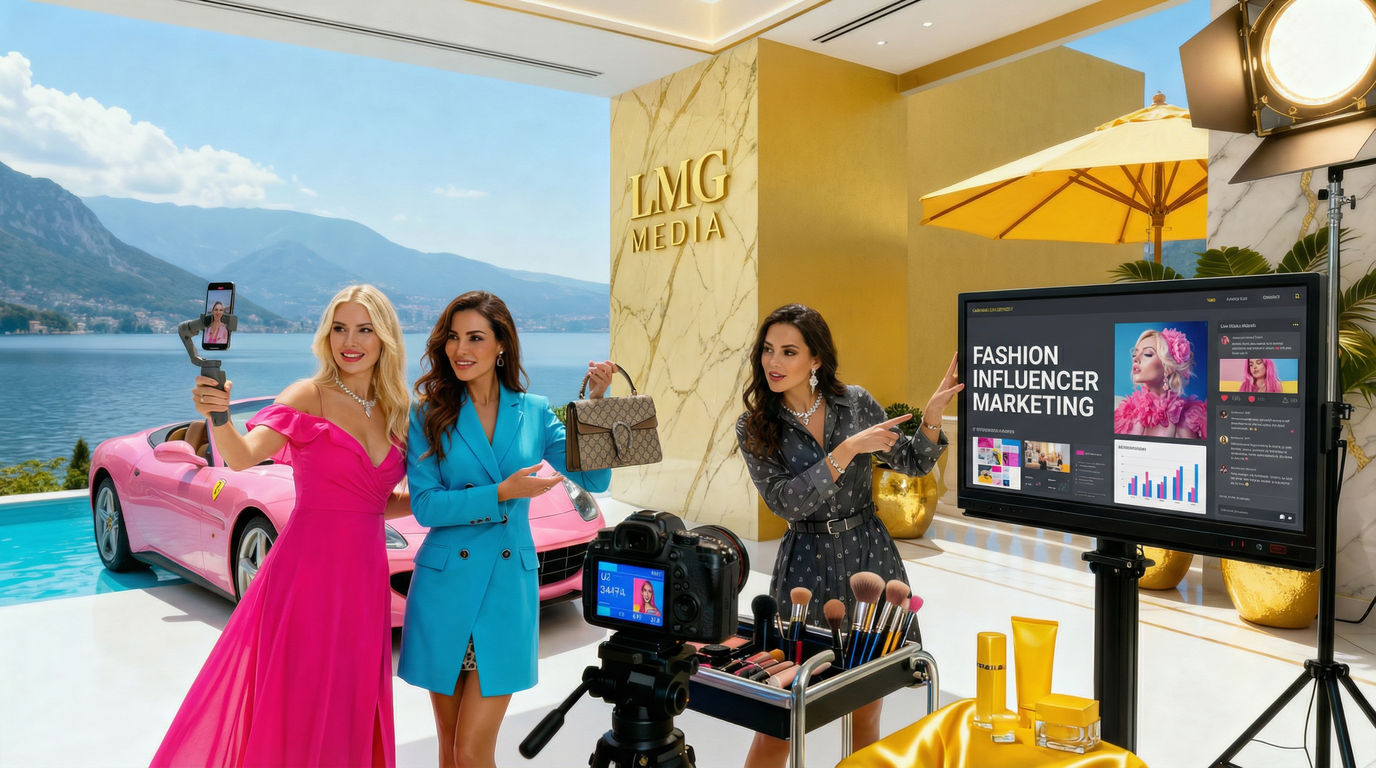
Fashion and influencer marketing were made for each other. Style is inherently visual, aspirational, and social — and the creator economy has given fashion brands direct access to audiences that trust individual voices over traditional advertising in a way that no previous media format ever achieved.
But the fashion influencer space is also one of the most saturated, most copied, and most poorly executed in the entire industry. Brands that treat fashion creator partnerships as a box-ticking exercise — send product, request a post, repeat — consistently underperform. Brands that approach it strategically, building genuine creative relationships and campaigns with clear objectives, consistently outperform their competitors.
This guide covers how to build a fashion influencer marketing programme that actually works — from creator selection and campaign formats to seasonal planning, pricing, and measurement.
Why Influencer Marketing Dominates Fashion
Fashion has always been about aspiration and identity — and influencers have become the primary vehicle through which consumers discover, evaluate, and adopt new styles. Several structural shifts have made creator partnerships not just effective but essential for fashion brands.
Discovery has moved to social. The majority of fashion consumers now discover new brands and products through social media rather than traditional advertising, editorial coverage, or in-store browsing. Instagram and TikTok in particular function as living catalogues, with creator content driving both awareness and direct purchase intent simultaneously.
Trust in traditional advertising is low. Polished brand campaigns are increasingly viewed with scepticism, particularly by younger consumers. Creator content — which feels personal, authentic, and rooted in genuine preference — carries the recommendation weight that a glossy billboard no longer can.
The purchase journey has compressed. TikTok Shop, Instagram Shopping, and affiliate link infrastructure have collapsed the distance between inspiration and purchase. A creator can now take a viewer from first exposure to checkout in a single piece of content. For fashion brands, this creates a direct revenue attribution opportunity that did not exist a decade ago.
Creator content scales editorial. Fashion editorial has always been expensive, slow, and controlled. Creator partnerships produce a high volume of diverse, authentic visual content at a fraction of the cost — content that brands can repurpose across their own channels, paid media, and retail partner materials.
The Fashion Creator Landscape
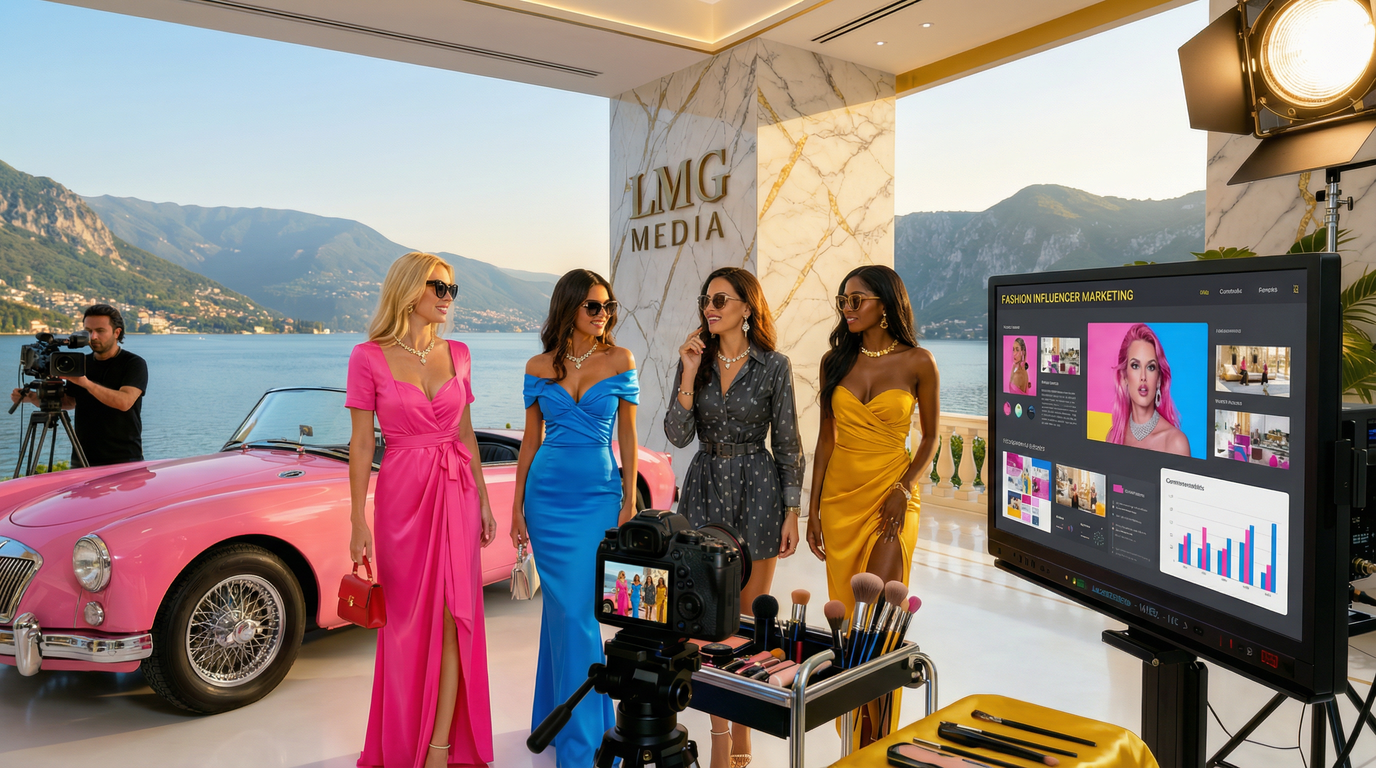
Fashion influencer marketing spans an enormous range of creator types, aesthetics, and audience profiles. Understanding who exists in the space is the foundation of effective creator selection.
By Platform
Instagram remains the primary platform for fashion influencer marketing. The combination of grid aesthetics, Stories, and Reels gives creators a rich toolkit for fashion content, and Instagram's shopping infrastructure makes it the most direct path from creator content to purchase. For luxury, high-fashion, and editorial-adjacent brands, Instagram is typically the lead platform.
TikTok has rapidly become the most powerful discovery platform in fashion, particularly for mid-market and accessible brands. TikTok's algorithm surfaces content to new audiences regardless of follower count, giving emerging brands access to viral reach without established creator relationships. The TikTok fashion community — #FashionTok — is vast, diverse, and highly engaged. For brands targeting under-35 consumers, TikTok should be a primary consideration in any campaign.
YouTube is most relevant for fashion brands in categories that benefit from longer-form content — try-on hauls, seasonal wardrobe reviews, and brand documentary content. YouTube fashion creators tend to have older, more considered audiences and deliver strong results for higher-consideration purchases.
Pinterest continues to drive significant referral traffic for fashion brands and works well in combination with creator content strategies, particularly for trend-led and occasion-based categories.
By Creator Type
Mega and celebrity fashion influencers (1M+ followers) deliver enormous reach and significant brand prestige. They are expensive, less flexible, and their audiences can be more diffuse. Best suited to major brand campaigns, seasonal launches, and brands for whom association with a specific cultural figure carries strategic value.
Mid-tier lifestyle and fashion creators (100K–1M followers) represent the core of most fashion influencer programmes. They produce consistent, high-quality content, have engaged and loyal audiences, and offer a balance of reach and authenticity that works across most campaign objectives.
Micro-influencers (5K–100K followers) in fashion deliver disproportionate engagement and conversion rates relative to their audience size. In fashion specifically — where community, subculture, and aesthetic identity matter enormously — a creator with 20,000 deeply engaged followers in a specific style niche can consistently outperform a creator with ten times the audience. Micro-influencer programmes at scale are one of the most cost-efficient approaches available to fashion brands.
Style and fashion journalists and editors who maintain active social profiles represent a bridge between traditional editorial and creator culture. Their content carries strong credibility and is particularly effective for positioning brands within a broader fashion conversation.
Sustainable and conscious fashion creators form a distinct and growing segment of the fashion creator space. For brands with genuine sustainability credentials, partnerships with creators in this community deliver both audience relevance and credibility — provided the brand's sustainability claims are substantive and verifiable.
Fashion Influencer Campaign Formats
Product Gifting and Seeding
Sending product to creators without a formal paid arrangement — in the hope of generating organic content. Gifting is the entry point for many fashion brands and can be effective at scale when targeted at the right creators, but it is frequently mismanaged.
Effective gifting is strategic, not scattershot. Send product to creators who genuinely fit the brand aesthetic, include a thoughtful presentation that reflects the brand world, and make it easy for the creator to generate content. Do not expect guaranteed posting from gifting — creators are under no obligation to post gifted product, and demanding coverage in exchange for gifts is both ineffective and a disclosure compliance issue.
Paid Content Partnerships
The creator produces defined deliverables — a specified number of Reels, Stories, TikToks, or posts — in exchange for a fee. Paid partnerships allow brands to guarantee coverage, define creative parameters, and build in approval processes.
The most effective paid fashion content retains significant creative latitude for the creator. Briefs that over-specify styling, caption language, and composition produce content that looks and feels like advertising — because it is. Briefs that provide clear brand context and guidelines while trusting the creator's aesthetic instincts produce content that performs.
Affiliate and Commission Programmes
Creators promote fashion products through unique affiliate links or discount codes and earn a commission on sales generated. Affiliate models align creator incentives with brand revenue outcomes and are particularly effective on platforms with strong purchase intent, such as Instagram and TikTok Shop.
For fashion brands with broad creator networks, affiliate programmes allow cost-efficient scaling — brands pay primarily for results rather than for reach.
Ambassador and Long-Term Partnerships
A sustained relationship in which a creator represents the brand across multiple campaigns and seasons. Ambassador programmes work particularly well in fashion because they allow the creator's audience to develop genuine familiarity with the brand over time — the creator becomes associated with the brand in their audience's mind, not just in individual posts.
The best fashion brand ambassadors are creators who would plausibly wear the brand organically. Forced associations — a luxury heritage brand partnering with a streetwear creator, for example — are immediately obvious to audiences and tend to perform poorly.
Event and Fashion Week Activations
Fashion events, runway shows, showroom visits, and brand experiences provide high-quality content opportunities and signal brand prestige. Inviting creators to exclusive events generates aspirational content that their audiences engage with strongly — and positions the brand within the broader cultural conversation around fashion.
Paris, London, Milan, and New York fashion week activations are among the most sought-after opportunities in the fashion influencer calendar. Planning and creator invitations need to be arranged well in advance.
Try-On Hauls and Product Reviews
Creator-led try-on content — particularly on TikTok and YouTube — drives direct conversion by showing real people wearing real product and sharing honest reactions. This format works exceptionally well for mid-market fashion brands where fit, quality, and value for money are key purchase considerations.
Seasonal Planning for Fashion Influencer Campaigns
Fashion is inherently seasonal, and influencer marketing programmes need to be planned with the fashion calendar in mind.
January–February: New Year reset content, capsule wardrobe posts, resort and pre-spring product. London and New York Fashion Week press and event activations.
March–May: Spring/Summer campaign peak. The most competitive period for fashion influencer content. Brands that have locked in creator relationships and agreed deliverables in Q4 have a significant advantage.
June–August: Festival season content, summer styling, holiday and vacation outfits. High engagement period, particularly on TikTok. Gifting campaigns for festival-relevant product need to be activated six to eight weeks in advance of key events.
September–October: Autumn/Winter campaign launch, back-to-school and back-to-work content. Milan and Paris Fashion Week. The second major fashion week activation window.
November–December: Black Friday and gifting season. High purchase intent across the board. Creator content should be planned to support key promotional moments with adequate lead time for production and approval.
Creator Selection for Fashion Campaigns
Aesthetic Alignment First
In fashion, aesthetic compatibility between creator and brand is more important than any metric. Before looking at engagement rates or follower counts, evaluate whether the creator's visual world — their colour palette, styling preferences, location aesthetic, and overall sensibility — is consistent with where your brand wants to be seen.
A creator who does not naturally wear or engage with your brand's aesthetic will produce content that looks and feels misaligned, regardless of how well the brief is written.
Key Metrics to Evaluate
Engagement rate by format. Assess engagement rate not just on the feed overall but by content type — Reels, carousels, and Stories each perform differently, and the formats relevant to your campaign should show strong engagement.
Audience demographics. Confirm age, location, and gender breakdown match your target customer profile. For fashion brands targeting specific markets — Dubai, London, or Paris, for example — verify that a meaningful proportion of the creator's audience is based in the relevant geography.
Content consistency. Review the creator's last 30 to 60 days of content. Is the aesthetic consistent? Is posting frequency stable? Creators who post sporadically or whose aesthetic shifts frequently are higher-risk partnerships.
Brand safety. Review the creator's content and public profile for anything that conflicts with your brand values. In fashion particularly, consider their stance on sustainability, body image, and diversity — topics that are closely scrutinised in the industry.
Fashion Influencer Marketing Pricing
Fashion influencer rates vary significantly based on platform, follower tier, content format, and usage rights.
General benchmarks for Instagram in 2026:
- Micro creators (5K–50K followers): £150–£1,500 per post
- Mid-tier creators (50K–300K followers): £1,500–£7,500 per post
- Large creators (300K–1M followers): £7,500–£25,000 per post
- Mega creators (1M+ followers): £25,000–£150,000+ per post
TikTok rates are typically 20 to 40 percent lower than Instagram for equivalent audience sizes. Usage rights for paid amplification, exclusivity clauses, and long-term ambassador arrangements will each carry additional fees.
For a comprehensive breakdown of influencer pricing across platforms and creator tiers, see our guide on [how much does influencer marketing cost].
Measuring Fashion Influencer Campaign Performance
Awareness Metrics
Reach, impressions, and share of voice. Track how widely campaign content is distributed and whether it is generating conversation within the fashion community.
Engagement Metrics
Engagement rate, saves, and shares. In fashion, saves are a particularly strong signal — a saved post indicates genuine purchase intent or style inspiration, not passive scrolling. High save rates on fashion content consistently correlate with downstream conversion.
Conversion Metrics
Affiliate link clicks, promo code redemptions, and direct traffic to product pages. UTM parameters on all creator-shared URLs allow clean attribution of traffic and revenue to specific creators and campaigns.
Content Value
Volume and quality of brand-usable content generated. Creator content that can be repurposed across brand-owned channels, paid media, and retail partner materials represents significant additional value beyond the campaign itself. Agree content usage rights before the campaign begins.
Working with a Fashion Influencer Marketing Agency
The fashion creator space requires a level of aesthetic judgment, relationship depth, and market knowledge that goes beyond generic influencer platforms and databases. The best creator partnerships in fashion are built on genuine relationships — knowing which creators are genuinely aligned with a brand before any brief is written.
At LMG Media, our fashion influencer marketing practice connects brands with style creators across Instagram, TikTok, and YouTube — from micro-influencer seeding programmes to major fashion week activations in London, Paris, New York, and Dubai. Get in touch to discuss how we can build a fashion influencer programme for your brand.
Summary
Fashion and influencer marketing are natural partners — but the brands that win in this space approach it with genuine strategic intent rather than improvised gifting and reactive partnerships. The key principles to carry forward:
- Lead with aesthetic alignment — creator fit matters more than follower count in fashion
- Plan campaigns around the fashion calendar — the brands that brief creators early consistently outperform those that react to seasons as they arrive
- Match format to objective — gifting for awareness, paid partnerships for guaranteed coverage, affiliate for conversion, ambassadors for sustained brand association
- Measure saves alongside engagement — in fashion, saves are the strongest signal of genuine purchase intent
- Invest in content usage rights — creator content is an asset that should work across all your brand channels, not just the creator's feed
More from the desk
FULL INDEX · 54 → Industry guidesTech Influencer Marketing: How B2B and Consumer Tech Brands Work with CreatorsNO. 21 · 9 MIN
 Industry guidesTravel Influencer Marketing: How Hospitality and Tourism Brands Partner with CreatorsNO. 20 · 9 MIN
 Industry guidesFood Influencer Marketing: How Restaurants and FMCG Brands Work with Food CreatorsNO. 19 · 9 MIN
LMG MEDIA · THE DESK
NO. 12 · FILED 18 MAR 2026 · LMG.MEDIA/BLOG
LMG.MEDIA/BLOG · © 2026
© 2026 LMG MEDIA
WHERE QUALITY BRANDS MEET ICONIC INFLUENCE