
Fitness Influencer Marketing: Connecting Health Brands with Active Creators
Learn how health and fitness brands build effective influencer marketing campaigns. This complete guide covers creator selection, content formats, affiliate strategy, platform choices, and how to measure ROI across Instagram and YouTube.
LMG MEDIA TEAM
· 18 MAR 2026 · 9 MIN READ
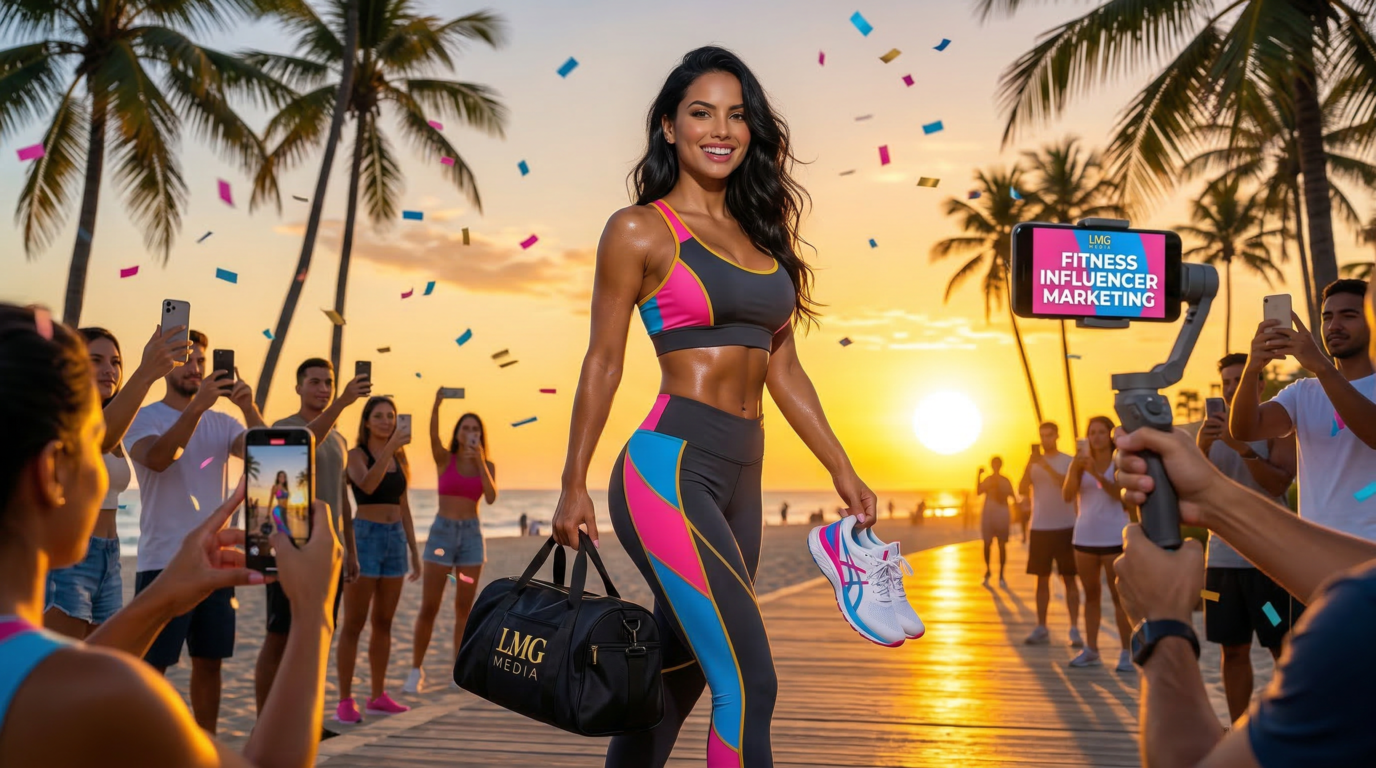
The fitness industry and the creator economy grew up together. Before influencer marketing had a name, fitness enthusiasts were building loyal communities on YouTube and Instagram by sharing workouts, nutrition advice, and transformation journeys. The trust those early creators built with their audiences became the commercial foundation of one of the most affiliate-driven, community-powered influencer marketing ecosystems in existence.
Today, fitness influencer marketing is a mature, sophisticated channel — and one of the most competitive. The brands that succeed are those that understand what makes fitness creator communities genuinely different from lifestyle or fashion audiences, and that build programmes designed specifically for how those communities engage with product recommendations.
Why Fitness Influencer Marketing Works
Results are demonstrable. Fitness products — supplements, equipment, apparel, apps, and programmes — can show visible, measurable results. A creator who uses a protein supplement consistently and visibly performs can provide the kind of authentic, evidence-based endorsement that no advertising format can replicate. When a creator credits a specific product as part of their genuine routine, their audience takes that recommendation seriously.
Community trust is exceptionally high. Fitness creators build their audiences through consistent demonstration of expertise, discipline, and genuine results. The trust that comes from following someone's fitness journey over months and years is profound. When that creator recommends a product, it carries the weight of a trusted coach or training partner — not a celebrity endorsement.
The category is affiliate-native. Fitness was one of the first influencer categories to build large-scale affiliate infrastructure, and the audience expectation of discount codes and affiliate links is completely normalised. Fitness consumers actively seek out creator discount codes as a standard part of their purchasing behaviour, making conversion tracking significantly more straightforward than in many other categories.
Content formats align perfectly with product demonstration. Workout videos, supplement reviews, nutrition tutorials, and transformation content are all native to fitness creator content — and all provide natural, non-intrusive contexts for product integration.
The Fitness Creator Landscape
By Platform
Instagram is the primary platform for fitness influencer marketing, particularly for apparel, supplements, and equipment brands. The combination of visual body transformation content, Reels workout clips, and Stories product mentions makes Instagram a full-funnel fitness marketing channel. Instagram's shopping infrastructure and affiliate ecosystem are well-suited to fitness brand conversion goals.
YouTube is the dominant platform for long-form fitness content — complete workout programmes, detailed supplement reviews, nutrition deep-dives, and transformation documentaries. YouTube fitness audiences are highly engaged and research-oriented, making the platform particularly effective for higher-consideration fitness purchases and subscription products. A product featured consistently in a popular YouTube fitness creator's content can generate sustained traffic and sales for months.
TikTok has become an increasingly significant fitness discovery platform, particularly for workout trends, quick-form exercise content, and accessible fitness brands targeting younger consumers. The viral mechanics of TikTok mean that fitness content — particularly transformation videos and workout challenges — can achieve extraordinary reach at speed.
Podcasts are underutilised by many fitness brands but represent a significant opportunity, particularly for supplement, nutrition, and health technology brands. Fitness podcast audiences are highly engaged, tend to be health-invested consumers with significant discretionary spending on fitness products, and consume content in contexts — commuting, working out — where they are receptive to product recommendations.
By Creator Type
Personal trainers and fitness coaches bring professional authority to product recommendations. Their audiences follow them for expertise, and product endorsements from credentialed trainers carry the weight of professional advice. Particularly effective for functional fitness equipment, training programmes, and sports nutrition products.
Transformation and journey creators document their own fitness journeys — weight loss, strength building, athletic training — and build audiences through the authenticity of shared experience. Their communities are deeply emotionally invested in their progress, and product recommendations that are genuinely integrated into their journey perform exceptionally well.
Competitive athletes and sports professionals bring elite performance credibility. For brands in serious sports nutrition, high-performance equipment, and athletic apparel, associations with competitive athletes — even at the micro and mid-tier level — provide performance credibility that lifestyle creators cannot.
Wellness and mindfulness crossover creators represent the intersection of fitness, mental health, nutrition, and holistic wellness. This creator category has grown significantly as consumer interest in whole-health approaches has increased. Particularly relevant for brands in recovery, sleep, stress management, and functional nutrition categories.
Micro-influencers in fitness niches — powerlifting, yoga, marathon running, cycling, CrossFit, women's fitness, senior fitness — deliver extraordinarily high engagement rates and conversion within their specific communities. A creator with 15,000 dedicated CrossFit followers is significantly more valuable to a functional fitness brand than a general fitness creator with 200,000 mixed followers.
Fitness Influencer Campaign Formats
Product Integration in Training Content
The creator incorporates your product into their genuine training routine — using a supplement pre-workout, wearing your apparel during a session, using your equipment in a home gym setup — and references it naturally within their content. This is the highest-performing format in fitness influencer marketing because it demonstrates real use in authentic context.
Workout and Programme Collaborations
Co-creating a workout programme, training plan, or fitness challenge in partnership with a creator. The brand provides product and potentially financial support; the creator provides the fitness programming and delivers it to their audience. These collaborations typically generate high engagement, strong brand association, and significant content volume over the duration of the programme.
Supplement and Product Reviews
Detailed honest reviews of nutrition products, equipment, and fitness technology. YouTube is the primary platform for long-form fitness reviews. Reviews should be genuinely honest — fitness audiences are knowledgeable and immediately identify promotional content that glosses over legitimate product limitations. Brief creators for authenticity and allow them to share honest assessments within agreed parameters.
Transformation and Challenge Campaigns
Creator-documented challenges using your product — a 30-day supplement programme, a 12-week training plan using your app, a seasonal fitness challenge. Transformation content is among the highest-performing format in fitness, and challenge campaigns create a defined narrative arc that generates sustained content over the campaign period.
Affiliate Programmes at Scale
Building a broad network of fitness creators — from micro through to mid-tier — on an affiliate basis, where creators earn commission on sales generated through their unique codes or links. Fitness is one of the most effective categories for affiliate influencer programmes because the audience expectation of discount codes is established and the conversion infrastructure is mature. A well-managed fitness affiliate programme can generate consistent revenue at a predictable cost, scaling with performance rather than reach.
Creator Selection for Fitness Campaigns
Genuine Fitness Lifestyle
The most important criterion in fitness creator selection is authenticity. Does the creator genuinely live an active lifestyle consistent with your brand's positioning? A creator who actually trains, actually follows the nutrition principles they discuss, and actually uses the type of product you are offering will produce content that resonates in a way that no amount of production quality can manufacture.
Performance and Results Credibility
For supplement, nutrition, and performance brands especially — does the creator demonstrate credible results? An athletic creator who is visibly strong, fit, or skilled at their specific discipline has inherent credibility when recommending performance-related products. A creator whose fitness results do not reflect the claims of the products they endorse creates a credibility gap that their audience will notice.
Platform and Content Format Fit
Match creator selection to the platform and format most relevant to your campaign objective. A YouTube-dominant fitness creator with a long-form review audience is the right choice for a detailed supplement evaluation campaign. An Instagram-first creator with high Reels engagement is better suited to a visually driven apparel campaign.
Audience Demographics
Confirm that the creator's audience demographics align with your target customer profile. Fitness is a broad category — a strength training supplement brand and a yoga apparel brand are targeting different demographics despite operating in the same general fitness space. Verify age, gender, geographic distribution, and fitness interest breakdown before committing to any partnership.
Fitness Influencer Marketing Pricing
General pricing benchmarks for 2026:
Instagram:
- Micro creators (5K–50K followers): £200–£1,500 per post
- Mid-tier creators (50K–300K followers): £1,500–£7,000 per post
- Large creators (300K–1M followers): £7,000–£25,000 per post
- Mega creators (1M+ followers): £25,000–£100,000+ per post
Affiliate commission rates in fitness typically range from 10 to 20 percent of sale value. Programme and challenge collaboration fees are negotiated based on content volume, duration, and creator tier. For a full pricing breakdown across platforms, see our guide on [how much does influencer marketing cost].
Measuring Fitness Influencer Campaign Performance
Affiliate code redemptions and link clicks are the primary conversion metrics in fitness influencer marketing and typically provide clean, creator-level attribution.
Engagement rate by content type — workout content, product reviews, and transformation posts each attract different types of engagement. Track engagement quality alongside volume: comments requesting product information, links, and dosing questions are high-intent signals.
Sustained content performance — fitness content on YouTube and Instagram tends to have significant long-tail performance. Track views and traffic not just in the week of posting but over the following three to six months.
App downloads, sign-ups, and trial activations for digital fitness products. Creator-specific landing pages and UTM parameters allow clean attribution of trial and subscription revenue to specific creator partnerships.
Working with a Fitness Influencer Marketing Agency
At LMG Media, our fitness influencer marketing practice connects health and active lifestyle brands with creators who genuinely live the fitness lifestyle their audiences follow them for. We build programmes across Instagram, YouTube, and TikTok, from targeted affiliate networks to major campaign activations in key markets including Los Angeles, Miami, and London. Get in touch to discuss building a fitness influencer programme for your brand.
Summary
Fitness influencer marketing is one of the most conversion-effective channels available to health and active lifestyle brands — built on genuine community trust, affiliate-native consumer behaviour, and content formats that naturally demonstrate product value. The key principles to carry forward:
- Authenticity is the primary asset — creators who genuinely live the lifestyle you are marketing perform significantly better than those who do not
- Build affiliate infrastructure early — fitness audiences expect discount codes and the conversion tracking benefits are significant
- Invest in long-form YouTube content alongside Instagram for sustained, compounding traffic
- Use micro-influencers in specific fitness niches for the highest engagement and conversion rates
- Brief for honesty — fitness audiences are knowledgeable and reward genuine product assessments
More from the desk
FULL INDEX · 54 → Industry guidesTech Influencer Marketing: How B2B and Consumer Tech Brands Work with CreatorsNO. 21 · 9 MIN
 Industry guidesTravel Influencer Marketing: How Hospitality and Tourism Brands Partner with CreatorsNO. 20 · 9 MIN
 Industry guidesFood Influencer Marketing: How Restaurants and FMCG Brands Work with Food CreatorsNO. 19 · 9 MIN
LMG MEDIA · THE DESK
NO. 15 · FILED 18 MAR 2026 · LMG.MEDIA/BLOG
LMG.MEDIA/BLOG · © 2026
© 2026 LMG MEDIA
WHERE QUALITY BRANDS MEET ICONIC INFLUENCE